

The cold slowly creeps through your clothes, a gentle wind blows small snowflakes across the ground. You have collected firewood, the embers are glowing, and yet one question remains: How do you survive a night out when temperatures drop well below zero?
Sleeping outdoors in the cold is no luxury. It is one of the toughest challenges for body and mind - and at the same time one of the most important skills when it comes to crisis preparedness, outdoor adventures or simply persevering in an unforeseen situation. Anyone who has ever shivered frozen in a thin sleeping bag knows how merciless nature can be. And at the same time, how comforting a warm camp can be if you make it.
Why sleep outside at all?
The question may seem banal, but it goes straight to the heart of the issue. It's not always just about romantic evenings around the campfire or the desire for adventure. Sometimes you sleep outside because you have to:
- in the event of a power failure in winter, when the home can no longer be heated,
- during an escape or evacuation,
- on a longer tour away from paths and huts,
- or because you want to practice what it feels like to really cope in the cold.
Sleep means regeneration. Without sleep, performance decreases rapidly. If you are cold, you sleep badly, wake up constantly, shiver and use even more energy in the process. This is precisely why it is crucial to know techniques that keep the body warm - even when the conditions are harsh.
The basics: Understanding heat
To understand how to stay warm, it is worth taking a brief look at the principle. Cold does not kill directly. It is the loss of heat that weakens the body, makes the muscles stiff and, in the worst case, leads to hypothermia. Three factors are decisive here:
- Conduction line - If you touch cold ground or metal, this surface immediately drains your energy.
- Convection - The wind blows away the warmth you've painstakingly stored.
- Radiation - Your body is constantly radiating heat, just like a small heater.
So the goal is simple: prevent heat loss, generate heat, and store it in the body.

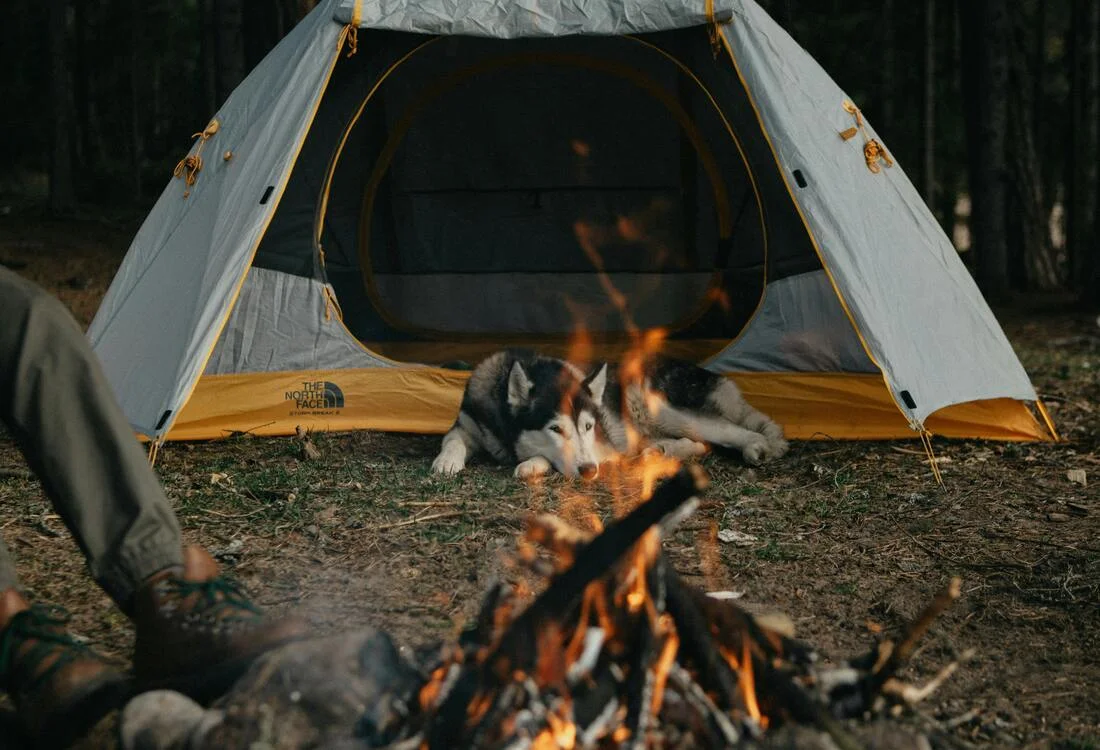
Equipment: What Really Matters
Of course, there are high-tech sleeping bags and ultra-light sleeping pads. But even without the perfect gear, you can get through a night outdoors if you follow a few basic rules. Here is a list of the most important items:
- Sleeping matIt is often more important than the sleeping bag. The ground draws energy relentlessly, and a thick, insulating pad can mean the difference between a peaceful night's sleep and endless shivering.
- Sleeping bagTemperature specifications should be taken with a grain of salt. If you get cold easily, you should choose a sleeping bag that keeps you warm well below the expected minimum temperature.
- Bivouac sack or tarpProtects against wind, moisture, and snow.
- ClothingLayering system - several layers that can be adjusted. Cotton is taboo, wool and synthetics are the better choice.
But equipment is not everything. Experience, improvisation and techniques are just as important.
Techniques for a warm night
There's a lot you can do to beat the cold. Here are a few tried and tested methods:
- Storage Location Selection
The wrong location ruins every night. Avoid low-lying areas where cold air collects. A spot with some protection from the wind—but not in the middle of a pool of cold air—is ideal. - Floor insulation
A classic: brushwood, dry leaves, bark—anything that comes between the body and the soil is worth its weight in gold. Even makeshift layers can help tremendously. - Clever use of fire
An open fire warms you up, but it goes out at some point. If you're clever, you can build a reflective wooden shield or place thick stones in the fire to give off heat later. - Using clothing correctly
Don't get into your sleeping bag in your thickest sweater - it's better to warm up your body first (e.g. with squats or push-ups), then slip into it quickly. The warm air in the sleeping bag is retained. - Food and drink
A full stomach warms you up. Fats and carbohydrates act as fuel. Hot water in a bottle can also serve as a hot water bottle.
A simple table for orientation
| Problem | Solution idea |
| Cold floor | Use thick insulation, brushwood, and a sleeping mat |
| Freezing in a sleeping bag | Warm up beforehand, hot water bottle, stay dry |
| Wind | Build wind protection, use a bivouac sack or tarp |
| Waking up at night | Small meal before sleep, warm socks |
| Wet clothing | Take off your clothes, put on a dry layer, dry in your sleeping bag if necessary |
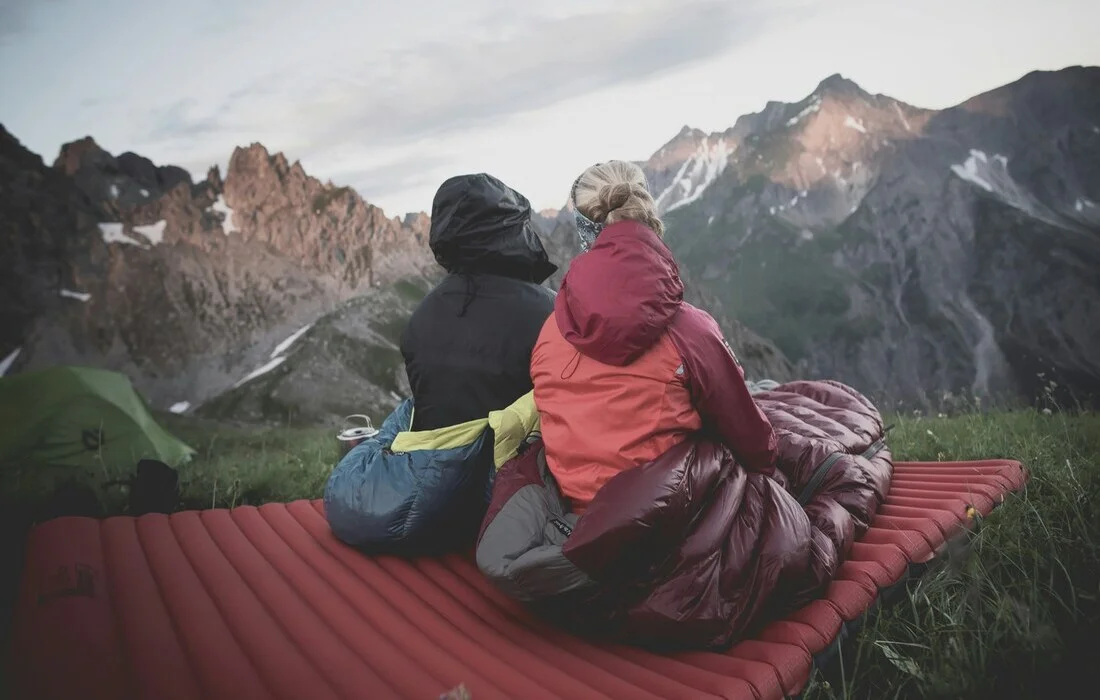
Mistakes to avoid
Many people make the same rookie mistakes that turn the night into torture. Here are the most important traps:
- With too much clothing in the sleeping bagSounds logical, but is counterproductive. Too many layers flatten the insulation and leave no air space that can heat up.
- To bed without foodThe body needs fuel, otherwise it produces no heat.
- Underestimating moistureEven slightly damp socks are enough to make the night freezing cold.
- Relying blindly on fireFire can go out, wood can run out. Those who rely on this alone will wake up in the frost.
A personal impression
I remember a night in the Black Forest that taught me more than any book. It was December and the thermometer showed minus ten degrees. My sleeping bag was theoretically rated for -15 degrees, but I had forgotten my sleeping mat. The cold from the ground was merciless. I was only able to get a decent night's sleep after adding thick layers of spruce branches. Since then I've known that the best equipment is of little use if you ignore the principle of insulation.
Psychological aspects
Sleeping outdoors in the cold is not only a physical challenge, but also a mental one. The crackling in the forest sounds louder when you are lying awake and freezing. The darkness is more oppressive when the cold gnaws at your bones. Keeping calm here saves energy. A little trick: create routines. Boil water, organize your sleeping area, have your equipment ready to hand - all these things signal safety to your brain.
Step by step to routine
It helps to approach things slowly. Nobody has to start at -20 degrees straight away. It makes more sense to increase in small steps:
- Spend the first few nights in cool, but not freezing, weather.
- Sleep with full equipment to gain confidence.
- Gradually reduce equipment and practice improvising.
- Documenting experiences - what worked, what didn't?
- Get to know your own body: Everyone freezes differently, and that's normal.
This creates routine, and routine brings serenity.
Conclusion: Sleeping despite the cold - feasible, but not without preparation
Sleeping outside while the temperature drops is no small feat. But it is possible - and even fulfilling. It sharpens your senses, strengthens your confidence in your own abilities and makes you realize how much you can achieve with just a few resources.
It's not just about survival, but also about finding strength in extreme situations. The ability to sleep outside in the cold is like a hidden treasure: inconspicuous, but priceless when you need it.
And perhaps the next time you lie on a frozen meadow and your breath paints little clouds in the night, you will feel it for yourself: The cold is not just an enemy - it is also a teacher.
 Deutsch
 English