

When you think about prepping, you quickly come across two extremes: either expensive professional equipment or DIY solutions made from household items. And the exciting area lies exactly in between: Do it yourself.
Self-made equipment has many advantages. It often costs only a fraction of the price, can be customized - and above all, those who have made it themselves know it inside out. In a crisis situation, this makes all the difference.
Ideas for DIY projects
But which DIY projects are really worthwhile? Here is a selection of ten tried and tested ideas that can be implemented with simple means - practical, robust and tailored to prepper needs.
1. hobo stove from a can
A classic, but still unbeatable. All you need is a sturdy tin can, a can opener and a few holes.
This is how it works:
- Completely remove the lid opening at the top.
- Drill small air holes all around just above the floor.
- Optionally a few larger openings at the top so that pots can rest stably.
Benefit: With dry wood, twigs or a few barbecue lighters, you can create a reliable stove that is ready to use in seconds.
2. paracord bracelet with extras
Paracord bracelets are not just jewelry. They offer several meters of extremely durable cord that is worth its weight in gold in an emergency.
The whole thing can be upgraded like this:
- Integrate a small signal whistle into the cap.
- Work in a piece of fire steel.
- Attach a mini compass to the bracelet.
The result is an inconspicuous bracelet that combines three survival functions.
3. DIY water filter made from a plastic bottle
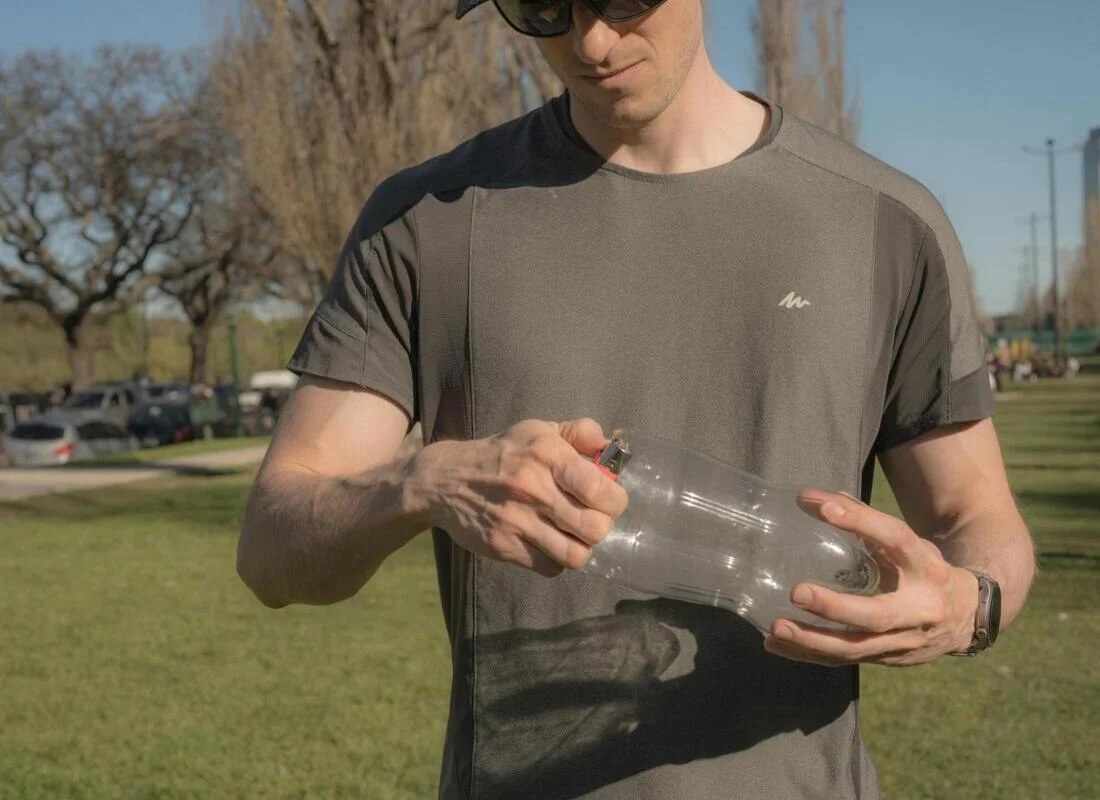
Clean drinking water is always a key issue. An improvised filter is easy to build yourself.
Material: Plastic bottle, sand, charcoal (crushed), cloth or coffee filter.
Structure:
- Cut off the bottom of the bottle.
- Fill in layers: fabric at the bottom, charcoal on top, then sand, then small stones.
- Allow the water to run through slowly.
Of course, this does not replace modern filter technology, but it removes coarse contaminants and significantly improves the taste and smell.
4. oil lamp made from glass jar
A functioning light source is always reassuring. A simple, safe lamp can be improvised with a glass, vegetable oil and cotton fabric.
Instructions:
- Fill the jar with oil.
- Use cotton strips as a wick.
- Fix the wick with wire or a paper clip.
The flame burns quietly, is relatively low in smoke and can last for hours.
5. improvised rocket stove
A small „Rocket Stove“ is ideal for longer stays or cool nights. This can be built from four bricks or an old tin can.
Principle: L-shaped combustion channel in which air draught optimizes combustion.

Advantage: Extremely efficient heat generation, even with little fuel.
6. tarp made from construction foil
Although there are ultralight professional tarpaulins, an inexpensive DIY tarp made of robust construction foil fulfills the same purpose.
This is how it works:
- Cut sturdy construction foil to size.
- Reinforce eyelets with duct tape.
- Make small holes for cords.
The result is a waterproof roof for shelters or as a cover for equipment.
7. solar charger with power bank
Electronics are both a curse and a blessing. Without electricity, smartphones and radios quickly become useless. If you have a little manual skill, you can build a small solar charger yourself.
Material: Solar panel (e.g. 5V), charge controller, old power bank.
Structure:
- Connect the solar panel to the controller.
- Connect the output to the power bank.
- Install the whole thing in a weatherproof box.
The result is a small, mobile energy power station.
8. survival candle made from leftover wax
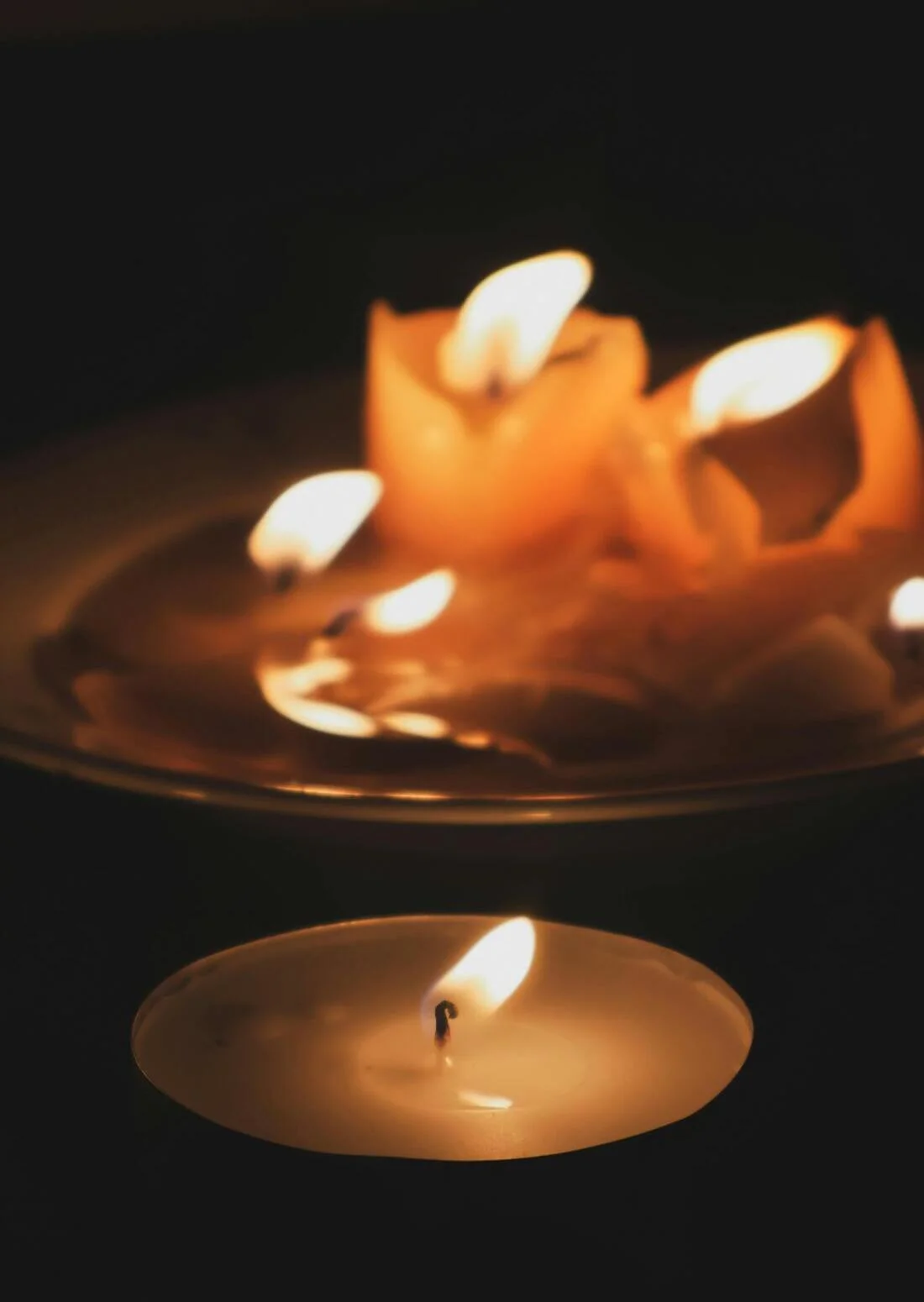
Everyone knows the drawer full of candle stubs. Instead of throwing them away, you can melt them down and put them in small tins or screw-top jars.
Trick: Use cotton threads or pieces of fabric as a wick.
Such a candle can burn for several hours and serves as a source of light and heat.
9. mini emergency stove with spirit
You can also cook effectively with a simple beverage can burner.
Instructions:
- Cut the can in half.
- Join the top and bottom sections together, pierce small holes around the edge.
- Fill with spirit and light.
Small, light, reliable - a project that many outdoor fans have already tried out.
10. DIY first aid bag
Of course, you should never skimp on medical supplies. But instead of buying expensive special kits, you can put together an individual first aid kit.
Recommended:
- Plasters, bandages, gauze bandages
- Disinfection, gloves, rescue blanket
- Personal medication
- Optional: small guide for emergencies
Everything stowed away in a robust, waterproof bag - and you've got a set that's just right for you.
Table: Overview of costs and benefits
| DIY project | Expenditure | Costs | Benefit |
| Hobo stove | very low | almost zero | Cooking with wood |
| Paracord bracelet | medium | low | Rope, fire, orientation |
| Water filter | low | low | Clean water |
| Oil lamp | low | almost zero | Light source |
| Rocket Stove | medium | low | Efficient heat |
| Tarp made from construction foil | low | low | Weather protection |
| Solar charger | higher | moderate | Power supply |
| Survival candle | low | zero | Light, warmth |
| Spirit stove | medium | low | Compact, lightweight |
| First aid bag | medium | variable | Safeguarding health |
Important notes
- Test your DIY equipment before, not just in an emergency.
- Pay attention to safety (never leave open fires unattended, wire electricity properly).
- Avoid overloading - DIY should be practical, not ballast.
Personal thought
I remember my first home-made hobo stove tin. It was crooked, sooty and anything but elegant. But the feeling of having brought water to the boil with a few twigs was unforgettable. That's what it's all about: Independence. Not having to rely on someone else to provide for you.

Conclusion - creativity is part of prevention
Prepping is more than just buying and storing. It's a process where creativity and improvisation are just as important as supplies. With DIY equipment, you not only learn practical moves, you also train your way of thinking: Finding solutions where others only see problems.
And in the end, it might be like an old pocket knife. It may not be the prettiest or most expensive, but if you've sharpened and maintained it yourself, you trust it more than any high-tech gadget. That's the essence of DIY equipment: familiarity, functionality - and the certainty that you can rely on yourself.
 Deutsch
 English