

There are situations that nobody wants to experience - and yet they happen. A house fire in the middle of the night. A flood that rises faster than the fire department can warn. Or a sudden evacuation because a chemical spill is polluting the air. In moments like these, every second counts. Time that cannot be spent searching and packing. You need something that is ready, at hand, complete: the emergency backpack.
It is not a luxury, not a fashionable outdoor trend. It is a lifeline for shoulders. And the question is not: Whether you have one, but: How well prepared is he?
What is an emergency backpack?
Put simply, an emergency backpack is a bag that contains everything you and your family might need in the first 72 hours of a crisis. It is the equivalent of having supplies in the cellar: mobile, flexible, ready for immediate use.
The principle is clear:
- Grab a backpack
- Close the front door
- go off
No searching for documents. No frantic gathering of medication or clothes. Everything is there, organized, in its place.
Why is it so important?
Many people are lulled into a sense of security. „Something like that doesn't happen here.“ But floods, blackouts, fires and even political crises have no zip codes. And even if the „big emergency“ never happens, even small incidents show how valuable preparation is.
The emergency backpack is:
- an insurance policy: better to have it and never need it than the other way around.
- a haven of peace: those who know that they are prepared react more calmly.
- a lifeline: it keeps you capable of acting in the worst-case scenario.
Organization and structure - how to pack it sensibly
A chaotically stuffed rucksack is of little use. The decisive factor is structure. It's best to think in layers and categories:
- Survival (water, food, shelter)
- Health (medicine, hygiene)
- Safety & tools
- Communication & orientation
- Documents & Money
Each category has its own priority, and in an emergency you know immediately what is where.
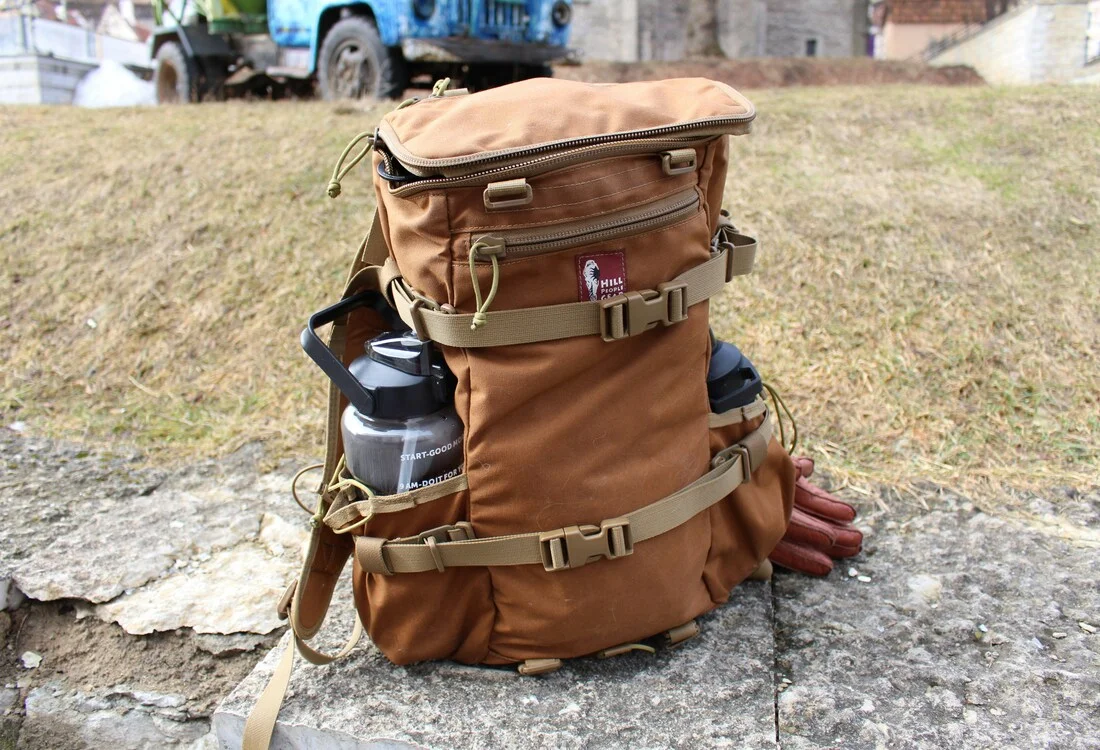

Water and food - the basis
Water is the first problem. After just one day you realize how important it is. That's why it belongs inside:
- a sturdy water bottle or hydration bladder
- a water filter or tablets for sterilization
- High-calorie emergency rations, bars or dry meals
- a small stove or Esbit set
The trick: light, durable, compact. No ravioli tins - they are heavy and provide little energy.
Accommodation and warmth
Even in summer, a night out can be dangerous. Wetness and cold weaken faster than hunger. So pack:
- Emergency bivouac sack or rescue blanket
- a light tarp or poncho (can also be used as rain protection)
- Insulating mat or inflatable seat cushion
If in doubt, you can build yourself a shelter in minutes.
Clothing - layer by layer
A replacement set is mandatory. Ideal are:
- Functional underwear and spare socks
- Fleece or sweater
- Rain jacket or poncho
- Gloves and hat (also useful in summer)
Anyone who has ever spent hours in wet shoes knows that dry socks can make all the difference.
Health and hygiene
A small cut, an inflammation - hardly worth mentioning in everyday life. Potentially serious in a crisis. That's why:
- First aid kit (plasters, disinfectant, bandages)
- personal medication for one week
- Hygiene articles (toothbrush, small toothpaste, wet wipes)
- Replacement glasses or contact lenses if necessary
Some things seem banal. But psychologically, a toothbrush can be just as important as a multitool.
Safety and tools
Not just defense - it's about being able to act. This includes:
- Multitool or fixed knife
- Headlamp with spare batteries
- Lighter + matches in waterproof packaging
- Paracord or rope
- Armor tape (universally applicable)
A knife is not a symbol of violence, but simply an everyday tool that can be used in a variety of ways in an emergency.
Communication and orientation
Smartphones are practical - until the network or battery fails. That's why analog aids should also be included:
- Map of the surroundings
- small compass
- Signal whistle
- Crank radio or small radio
In crises, information counts almost as much as food.
Documents and money
Some crises are not end-time scenarios, but evacuations or accidents. Therefore:
- Copies of important documents (ID, insurance, vaccination certificate)
- some cash in small bills
- USB stick with backed up data
This can be crucial at a border or at an emergency shelter.
Table: Example contents of an emergency backpack
| Category | Contents |
| Water | Bottle, filter, tablets |
| Food | Emergency rations, dry food, stoves |
| Accommodation | Bivouac sack, tarp, sleeping mat |
| Clothing | Socks, underwear, fleece, rain jacket |
| Health | First aid kit, medication, hygiene |
| Tools | Multitool, knife, lamp, rope, tape |
| Orientation | Map, compass, whistle |
| Communication | Crank radio, radio set |
| Documents | Copies, cash, USB stick |
Typical errors
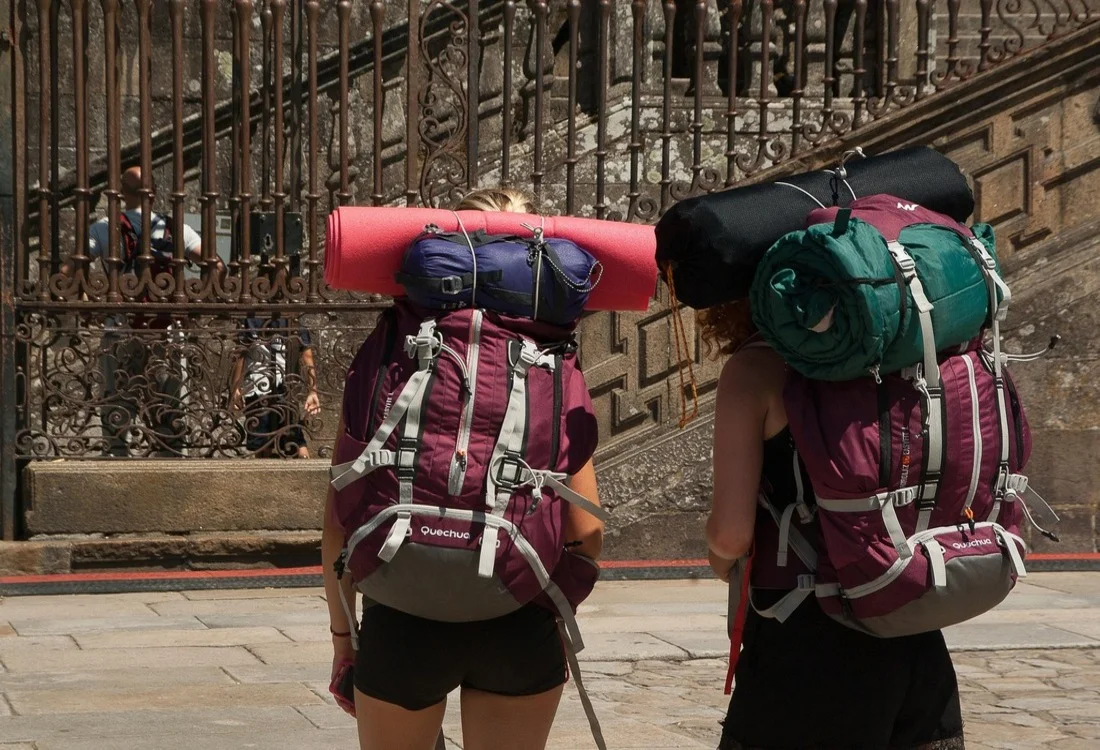
- Too much weight: A 25 kg rucksack is hardly bearable. Less is more.
- Wrong priorities: Snacks instead of water filters - a mistake.
- Buy everything new: You already have a lot of things at home.
- Do not test: A rucksack that you have never worn is worthless.
Personal touch
I remember my first „trial evacuation“. I packed my rucksack, set off - and realized after an hour: too heavy, too chaotic. On my second attempt, everything was easier, more structured, more practical. Since then, I have known that an emergency rucksack is not created in one evening. It grows when you try it out.
List: Steps to your own emergency backpack
- Choose a suitable backpack (30-50 liters are sufficient).
- Go through categories and pack base.
- Check weight - maximum 15-20 % of your own body weight.
- Test your rucksack - carry it once, climb stairs, take a short tour.
- Check contents regularly (medication, batteries, shelf life).
Metaphor at the end
An emergency backpack is like a silent sentinel in the hallway. You walk past it every day and don't think much about it - until the moment comes when it becomes crucial. Then it doesn't matter how expensive it was or how modern. Then all that matters is that it's there.
Conclusion - remaining capable of action
In an emergency, emergency backpacks give you what is otherwise lost most quickly: time and control.
If you have to shoulder it, you know: You are not empty, not helpless. You carry water, warmth, orientation and hope on your back.
And perhaps that is precisely the most important content - not the bars or the knife, but the certainty: I am prepared.
 Deutsch
 English