

When the word Prepping When the word „camouflage“ is mentioned, images immediately pop up in many people's minds: Cellars full of tin cans, people in camouflage clothing, perhaps even self-built bunkers. Hollywood has played its part in the fact that the image of the "prepper" often fluctuates between quirky and extreme. But is that really the truth? Or is there more to the term - something more down-to-earth, more everyday, perhaps even something very human?
Prepping - a misunderstanding?
Prepping comes from the English to prepare, in other words, „to prepare“. In essence, that's all there is to it. It's not about doomsday fantasies or radical ideologies. It's about preparedness. It's about trying to react better to unexpected situations.
Actually, we all do it - we just don't call it that. We take out liability insurance because we know that accidents can happen. We pack an umbrella if the weather app reports rain. We keep plasters in the medicine cabinet because children fall. Prepping is the logical continuation of precisely this idea.
Why prepping has nothing to do with panic
Many people imagine preppers to be people who are constantly afraid. But the opposite is usually the case. Those who are prepared can sleep more soundly. Prepping is a form of self-care.
You could compare it to a climbing harness: If you are secured, you can climb more courageously. Without a safety harness, you cling nervously to every edge. Prepping doesn't take away the danger - but it does mitigate its effect.
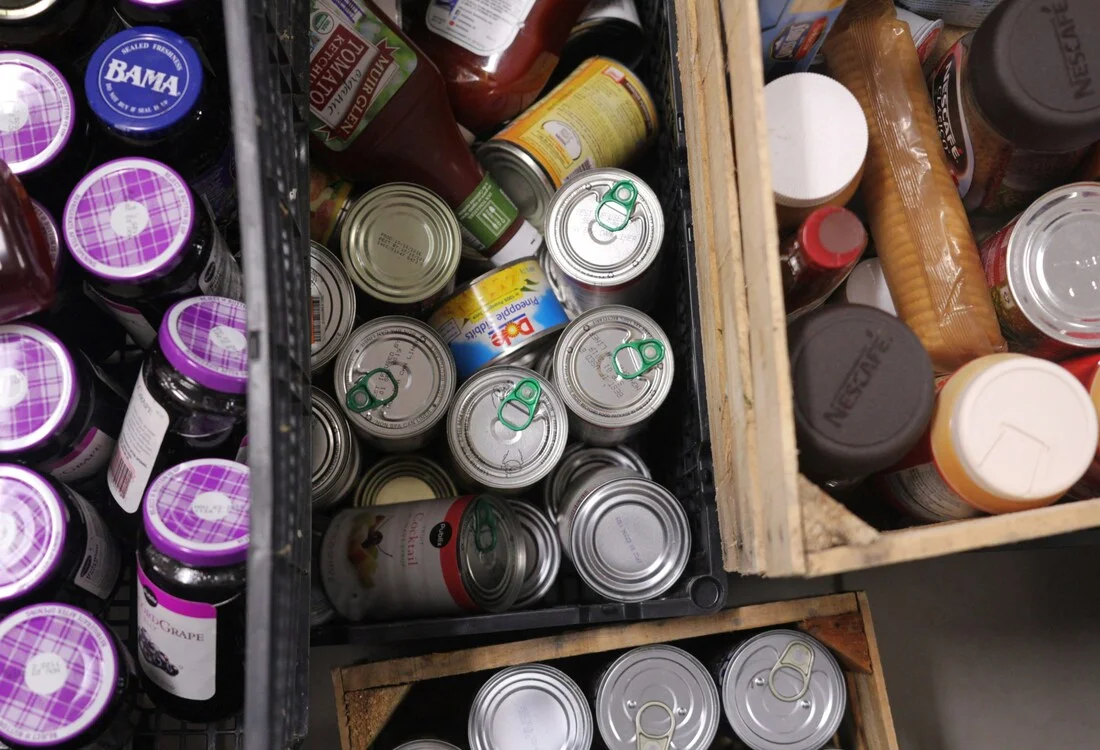
Basic principles: What prepping really is
There are a few simple principles that describe the core of prepping:

The three pillars of prepping
- Independence - be less dependent on external structures.
- Resilience - Not only to survive crises, but to emerge from them as unscathed as possible.
- Precautions in Everyday Life - Don't wait until it's too late to react; take small steps first.
Everyday situations in which prepping helps
You don't have to think about natural disasters right away. Even small incidents show how valuable preparation can be:
- A power cut in the evening while children are doing homework. If you have candles or a flashlight ready, you have an immediate solution.
- A sudden onset of winter that makes roads impassable. If you have supplies in the house, you don't have to go to the supermarket in a snowstorm.
- An Internet outage lasting several days. Anyone who has stored important information offline remains able to act.
Table: The Difference Between Cliché and Reality
| Cliche about preppers | Reality |
| „"Preppers hoard weapons."“ | Most attach importance to supplies, hygiene and energy supply. |
| „"Preppers expect the end of the world."“ | It's about power outages, natural disasters and pandemics. |
| „"Preppers are loners."“ | Many build networks, exchange knowledge and help neighbors. |
| „"Prepping is expensive."“ | Even small steps (water, supplies) can be implemented at low cost. |
How to get started
Prepping does not start with a bunker, but with small routines.
List 2: First practical steps
- Water supplyTwo liters per person per day for at least ten days.
- FoodDurable food that you can also eat in everyday life.
- Light sourcesFlashlights with batteries, maybe a crank radio.
- MedicationBasic equipment plus personal medication.
- Documents: Back up important documents digitally and have them ready to hand in analog form.
These steps alone can make the difference between stress and serenity.
More than supplies - prepping as a way of life
If you look into it more closely, you'll quickly realize that prepping isn't just about stockpiling. It's a mindset. It's about knowledge, skills, and the willingness to take responsibility.
For example, someone who attends a first-aid seminar is preparing. Not with canned goods, but with knowledge. Someone who regularly maintains their bike so they can use it if their car breaks down is also a bit of a prepper.
Prepping means not suppressing the unpleasant, but acknowledging it - and gaining security from it.
Community instead of isolation
A common misconception is that prepping only works for loners. But crises show: People get through them best together.
Neighbors who work together share resources and look out for one another. A family that plans in advance who will pick up whom in an emergency is better prepared than one that only coordinates during a crisis.
In this sense, prepping is also networking.
A personal thought
When I first heard sobre a preparação, I thought of weird TV documentaries from the USA. But then came a winter in which my town was without power for three days. Nothing dramatic, no catastrophe - but enough to make me realize how quickly life can come to a standstill. There were candles, but no back-up batteries. There was pasta, but no camping stove. I've had a small supply ever since. Nothing spectacular, but it gives me peace of mind.
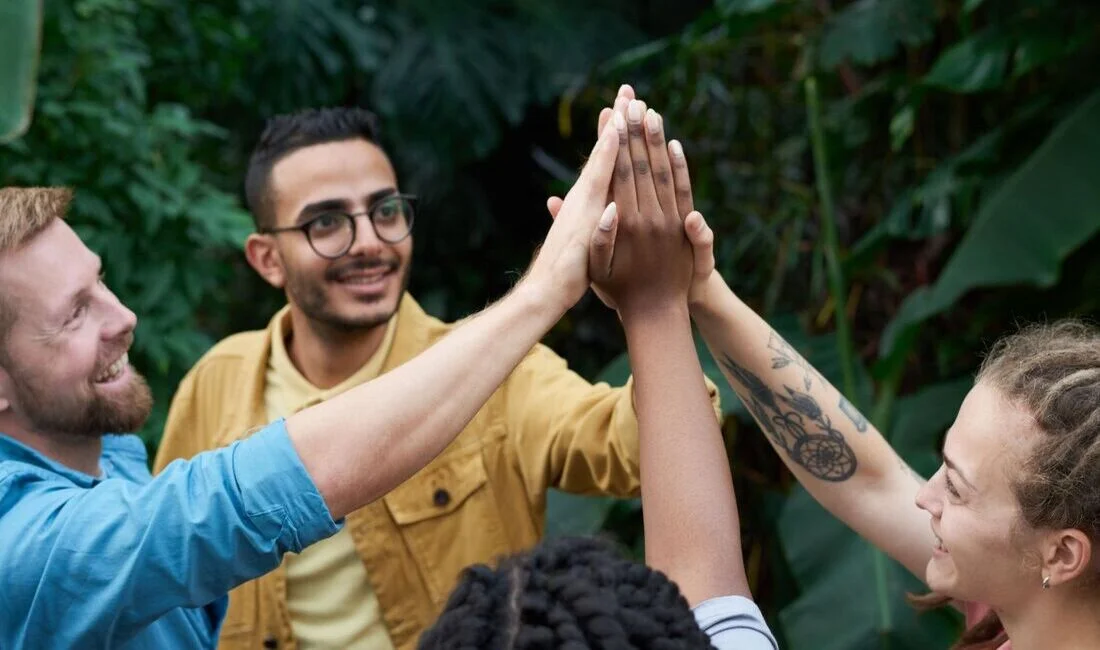
Why prepping means hope instead of fear
Perhaps the best thing about prepping is that it doesn't have to be gloomy. It's about developing confidence in your own ability to act. Those who make provisions feel less at the mercy of others.
You could say that prepping is like an umbrella. You don't carry it because you're expecting rain all day, but because you want to stay dry in case it comes.
Conclusion - the essence of prepping
It's not about panic, but about calmness. Not about extreme scenarios, but about everyday life.
Perhaps it can be summarized like this:
- Prepping is not doomsday romanticism.
- Prepping is not a one-way street for loners.
- Prepping is an invitation to live a more conscious and self-determined life.
And perhaps that is the most important insight: prepping means being prepared - and becoming freer as a result.
 Deutsch
 English