

Imagine this: Two people both live prepared, have stockpiled supplies, packed emergency backpacks and have strategies in place. One lives in a big city in the Ruhr area, the other in a small village on the edge of the Alps. Do you think their plans look the same? Hardly. Because crisis preparedness is not a universal recipe, it always depends, Where you live. That is precisely the idea behind regional prepping.
The question is not only: Am I prepared? But rather: Am I prepared for my environment?
Why regional adaptation is so important
Many guides on prepping sound like a universal handbook: stock up on supplies, buy a water filter, think about first aid. That's also true - as a basis. But the actual dangers and needs vary considerably from place to place.
If you live in northern Germany, you are more likely to have to deal with storm surges, flooding or long transportation routes. In the south, it might be a harsh winter, avalanche danger or dependence on mountain roads. In a big city, on the other hand, it's often about issues such as overcrowding, restricted escape routes and the question of how to remain self-sufficient in an apartment.
Prepping without regional customization is like a key without a lock: useful in theory, but not practical.
The first step: Analyzing your environment
Before you start storing kilos of cans or buying an emergency generator, it's worth taking a close look at your own surroundings. Ask yourself:
- What natural hazards are there here?
- Floods, storms, forest fires, snow chaos? - Which infrastructure is critical?
- Is there only one access road? Do I have to rely on electricity or gas lines? - How densely populated is the area?
- Many people mean help on the one hand and competition for resources on the other. - What resources are available locally?
- Forest, rivers, lakes, agriculture? Or rather concrete and asphalt?
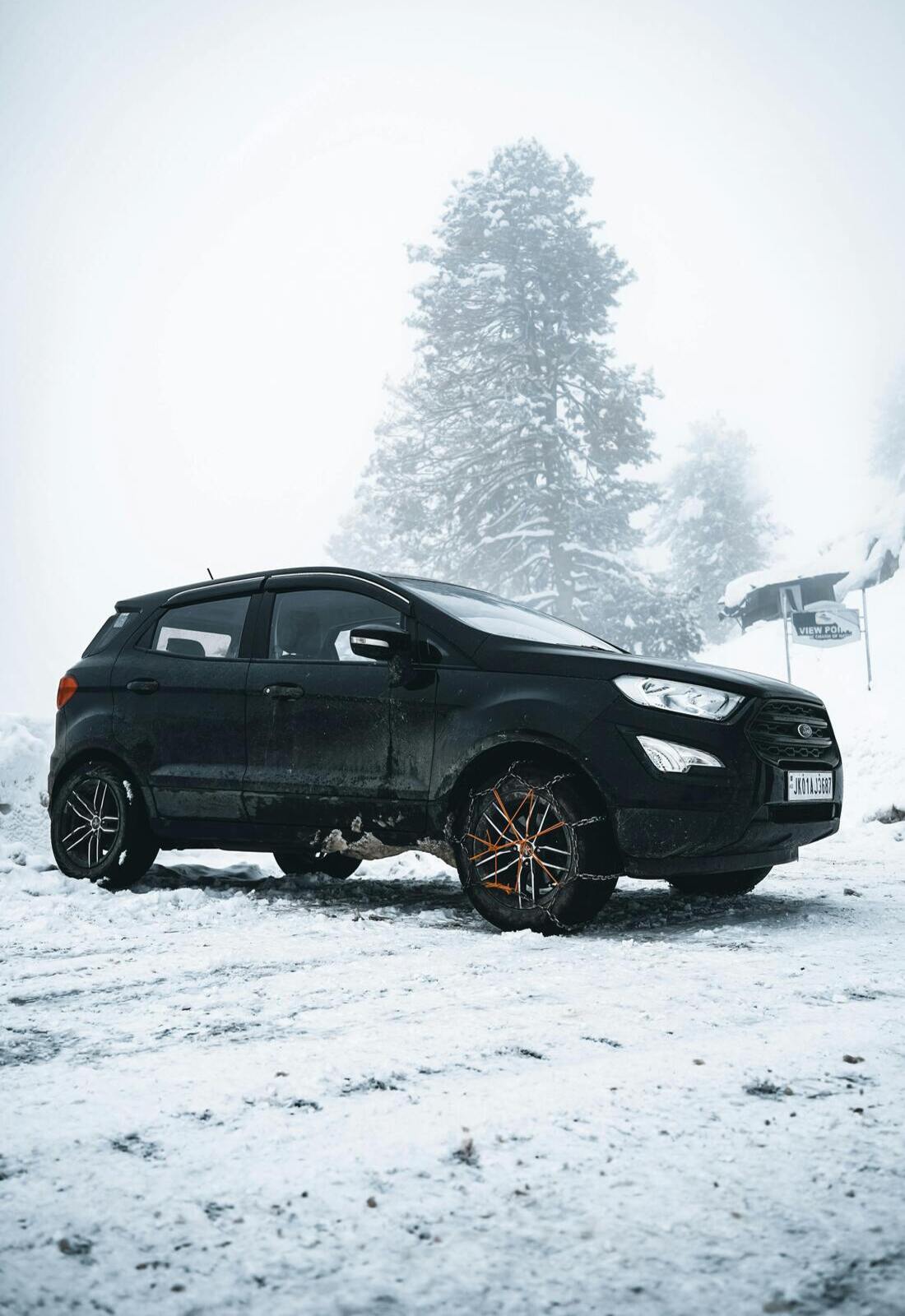

Table: Regional differences in prepping
| Region | Typical risks | Important focal points |
| Coastal areas | Storm surges, hurricanes, power outages due to power lines | Evacuation plans, waterproof storage, wind protection |
| Mountain regions | Avalanches, snowstorms, landslides | Winter supplies, alternative heating methods, good equipment |
| Large cities | Overpopulation, social unrest, power cuts | Water and food supplies, safe retreats, communication strategies |
| Rural areas | Isolation, long distances, slow help | Self-sufficiency, neighborhood networks, basic medical care |
| Industrial regions | Chemical accidents, traffic disruptions | Respiratory protection, evacuation plans, information channels |
Prepping in the city
Living in the city means living in close quarters with lots of people. This has advantages - short distances, lots of infrastructure - and major disadvantages in an emergency.
- WaterPipes fail, wells are rare. That's why supplies and filters are crucial here.
- FoodSupermarkets empty faster than in the countryside. Store for the longer term.
- SecurityThe risk of unrest increases in densely populated areas. Think about secure doors, escape plans and contacts in the house.
- Escape routesTraffic jams are inevitable. Footpaths or bicycles can be worth their weight in gold.
An acquaintance once told me about a power cut in his town that lasted several days. „On the first day, it was still kind of exciting, almost romantic. On the third day, it was just exhausting - and we were suddenly afraid of the neighbors asking if we had any candles left.“
Prepping in the countryside
Rural regions have the advantage of space, resources and fewer people. But this also means that help arrives more slowly and you are more dependent on yourself.
- Medical careHospital or doctor's surgery may be far away. An extended first aid kit is mandatory.
- Electricity and heatingMany houses here still have stoves or wood-burning stoves - a clear advantage. But fuel also needs to be prepared.
- TransportationWhen roads are impassable, you quickly become isolated. Supplies are not a luxury here, but a necessity.
- NeighborhoodIn the countryside, people often still know each other. A strong network can be more decisive than any number of canned goods.
Prepping in the mountains
Anyone who lives in the Alps or low mountain ranges knows that snow can block roads for days on end. Avalanches and landslides are real dangers.
- Winter stocksEnough food and water to last several weeks.
- Alternative heat sourcesPower failure in winter without heating is life-threatening.
- EquipmentSnow shovels, snow chains, sleds, or skis can suddenly make it easier to get around.
- Communication: Radios are often more useful in valleys than cell phones.
Prepping on the coast
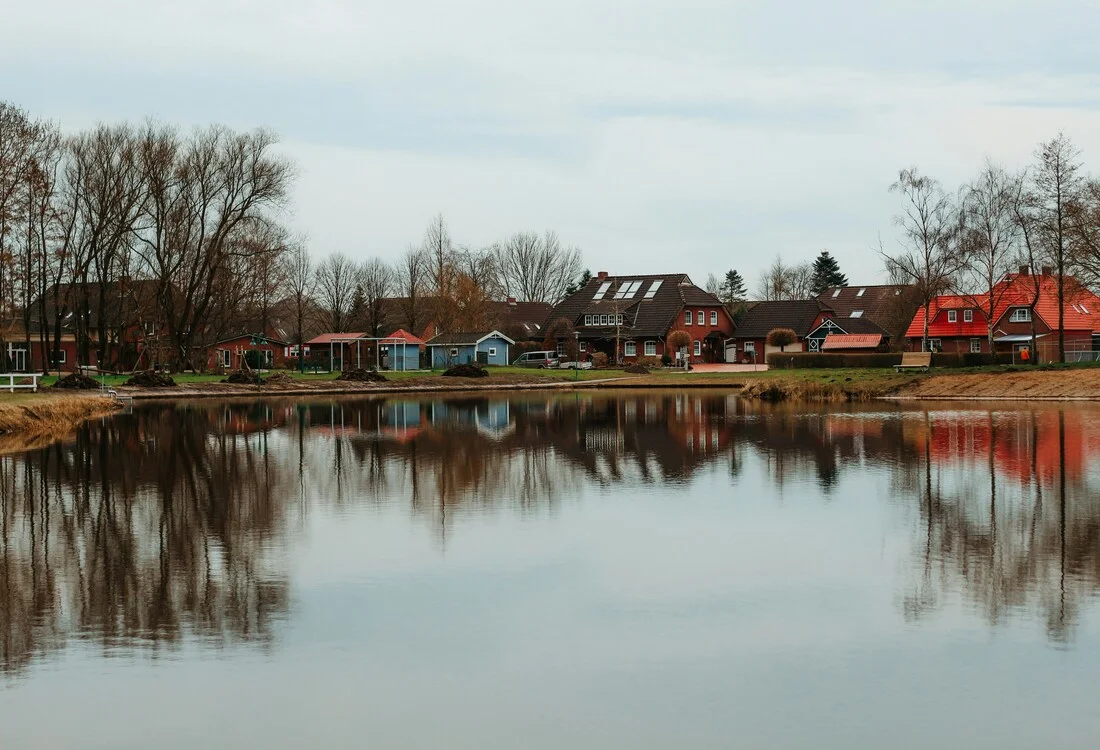
People who live along the coast are familiar with storm warnings, floods, and the power of the wind.
- Evacuation plansKnow where the safe zones are.
- Waterproof storageProtect supplies from moisture.
- Robust constructionStorm damage is common - even to your own roof.
- Transportation: Roads may be flooded. Know alternatives.
Industrial and metropolitan areas
In regions with chemical plants, refineries, or major transportation routes, there are additional risks: accidents, fires, and toxic gases.
- Respiratory masks: Not an exaggerated measure, but sensible.
- Evacuation PlanKnowing where to go in the event of a chemical accident.
- Sources of InformationTake local warning systems seriously; install apps.
How do I put regional prepping into practice?
Here is a step-by-step approach:
- Analysis - risks in the region.
- Prioritization - What is likely, what is particularly dangerous?
- Adjustment of Inventories - Winter clothing in the mountains, breathing protection in industrial areas, water supplies in cities.
- Exercises - Test scenarios: How do I get by without a car in the winter? How do I evacuate with children?
- Build networks - Neighbors, clubs, acquaintances: In an emergency, cooperation is worth its weight in gold.
Two useful lists
- Basic questions about your own environment
- What natural hazards occur regularly here?
- What is the energy supply like?
- Which neighbors, friends or family members live nearby?
- How quickly would help be available if something happened?
- Which escape routes are possible - and which are not?
- Things that should vary regionally
- Clothing and equipment (winter, rain, heat).
- Fuel stocks.
- Medication (e.g., allergies, local illnesses).
- Tools (axe in wooded areas, sandbags in flooded areas).
- Means of communication (radio in the valley, sirens on the coast).
Prepping is not template thinking
You could say that regional prepping is like cooking with seasonal ingredients. The basic recipe – energy, food, water, safety – remains the same. But the details change depending on what is „available“ at the time. Someone who has asparagus in spring cooks differently than someone who harvests pumpkins in autumn. And if you live in Hamburg, you need to make different provisions than someone in the Alps.
A hopeful thought
Regionally adapted prepping has another advantage: it brings us closer to our surroundings. Anyone who deals with local risks looks at rivers, forests, and roads differently. Suddenly you know where the next stream flows, where the forest path begins, and which neighbors have an emergency generator.
This closeness not only creates security, but also a sense of connection. Prepping is then no longer just a protective shield against crises, but also a bridge to the people and places around us.
Conclusion
Prepping by the book is better than nothing at all. But preparedness only really makes sense when it takes into account your own environment. If you live in the city, you have to think differently than someone in the countryside. If you live on the coast, you prepare for different dangers than someone in the mountains.
Regionally adapted prepping means taking an honest look at your own risks - and drawing practical conclusions from them. In the end, it's not about panic, but about clarity.
Because when the crisis comes, it makes a huge difference whether you have copied a plan from the Internet - or whether you are prepared, right where you really live.
 Deutsch
 English