

Sometimes it's not the wild animals that are dangerous to us. Nor is it hunger or darkness. It's often the small mistakes - carelessness, wrong decisions, overestimated ability. A bit of carelessness here, a bit of pride there, and you end up in situations that could have been avoided.
Nature forgives a lot, but not everything. If you want to survive outdoors, you should not only have the tools and skills, but also an awareness of the classic pitfalls. This is exactly what I want to talk about today: the mistakes that are better not to make in the first place.
Why mistakes outside are so expensive
In the city, you can afford to make a mistake. You get lost, ask for directions. You get hungry, buy something to eat. You underestimate the weather and flee to the nearest café.
It's a different story outside. There, every mistake has consequences.
- No map read? You're standing in the middle of nowhere.
- The wrong footwear? Every step becomes torture.
- Fire lit too late? The night is longer, colder, harder.
This should not cause panic. But it does show that caution is not excessive, but essential for survival.
List: The ten most common survival mistakes
- fly by the seat of your pants.
- Underestimating water - drinking too little or the wrong kind.
- Don't start a fire until it's too late.
- Choosing the wrong clothing and equipment.
- Wasting energy - unnecessary journeys, unnecessary work.
- Getting overconfident on your own - misjudging risks.
- Don't listen to your body - ignore warning signals.
- Wrong storage location - depressions, wind tunnels, unstable terrain.
- Ignorance of plants and animals - eat or touch hazards.
- Panic - wrong decisions out of fear or stress.
1. no plan is the worst plan
Many people make the mistake of simply setting off, „it'll work out somehow“. But without a goal, without direction, without a strategy, you run the risk of getting lost or wasting energy.
Note: Every hour you plan will save you twice as much energy outside. A glance at the map, compass or sun will determine whether you arrive safely - or run in circles.
2. water - the underestimated factor
Thirst is a merciless teacher. Three days without water and the body can no longer cope. But it is just as dangerous to simply drink from the first stream that comes along. Germs, parasites, chemicals - they are invisible, but devastating.
Better: Always filter, boil or run through improvised filters. And never forget: Plan water sources in advance.
3. fire - don't wait until the cold weather arrives
Lighting a fire sounds simple. But if you wait until you're cold, you'll find that cold fingers and wet wood are no friends. You have to build a fire with foresight - preferably while there is still light and energy.
Small rule of thumb: If you think it's too early for a fire, it's probably just the right moment.
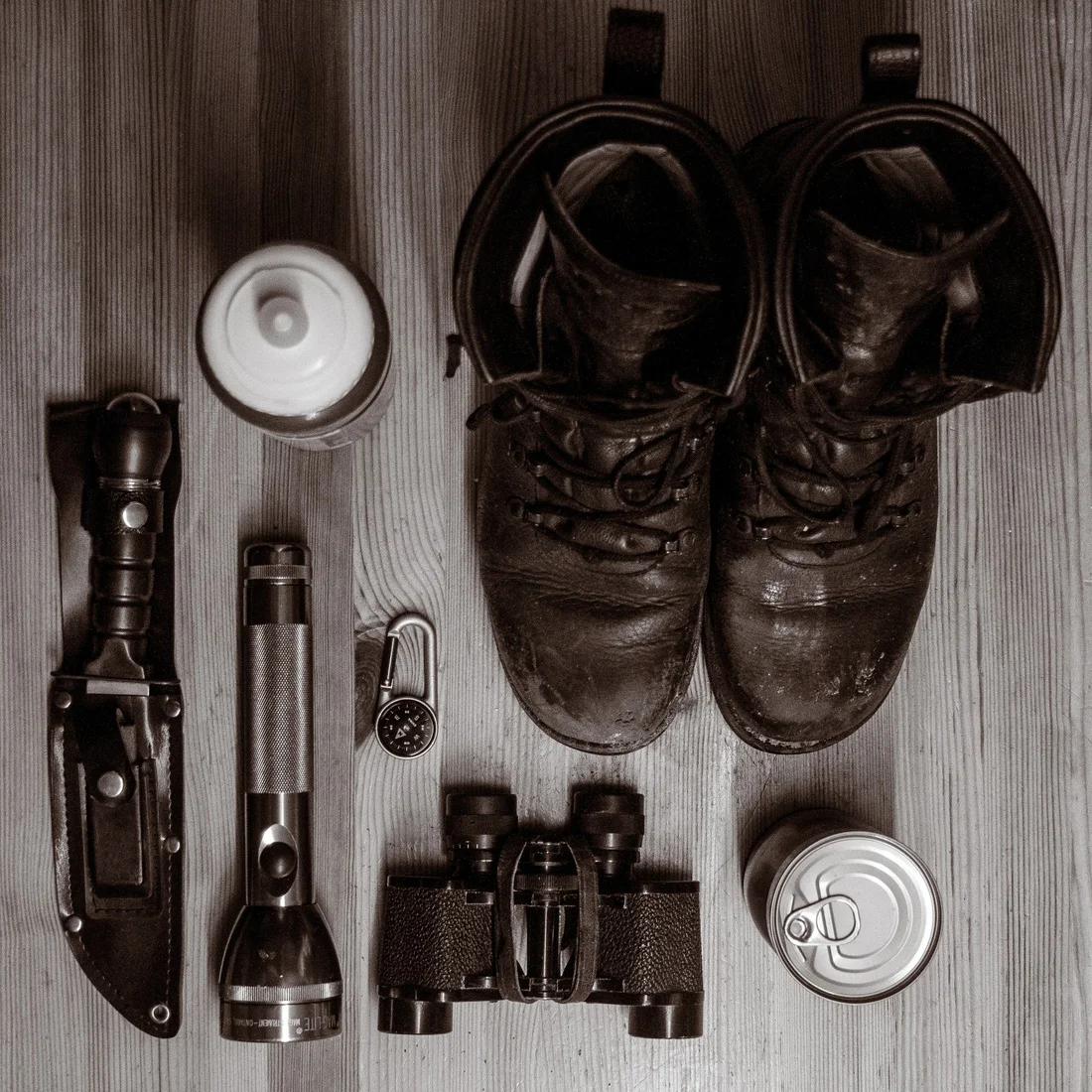

4. clothing & equipment - no room for vanity
It's amazing how often people freeze in the wilderness because they're dressed too thinly - or sweat because they're wearing everything at once. Both are dangerous.
Nature knows no fashion. It is not interested in style, only function. The „onion principle“ is the keyword here: several layers, adaptable, breathable.
5. energy - your most valuable asset
You often think you have to be active all the time: Collecting wood, scouting out paths, building, walking. But outside, saving energy means surviving. Every unnecessary step costs calories and water that you may need later.
Ask yourself with every action: Is that really necessary now?
6. overconfidence - the silent enemy
„I can manage that. A sentence that is harmless in everyday life, but risky in the wilderness. Whether it's crossing a river, climbing or going it alone without equipment - it's often not a lack of skill but overconfidence that gets people into trouble.
It is better to assess risks soberly. And to be able to say „no“ sometimes.
7. listen to your body
Cold, dehydration, exhaustion - the body sends early warning signals. Trembling, headaches and drowsiness are not trivialities, but cries for help.
If you ignore them, the situation can quickly turn sour. So it's better to take a break too early than too late.
8. wrong storage location
Anyone who has ever spent the night in a hollow knows that not only water collects there, but also cold. Or you can set up camp under a rotten branch - and be surprised when it cracks at night.
Rules of thumb for storage bins:
- Not at the bottom of the valley, not on the ridge.
- Firm ground, no loose stones.
- Close to water, but not right next to it.
- Protection from wind, no danger from falling trees.
9. plants & animals - no experiments
It sounds tempting: berries by the wayside, a plant that smells like mint. But many edible plants have poisonous doppelgangers. A mistake that can be fatal.
The same applies to animals: keep your distance. Even small animals can transmit diseases.
10. panic - the biggest mistake of all
Perhaps the most important point: fear is normal, panic is deadly. If you run headlong, you will fall. If you forget to collect water when you're stressed, you'll end up empty-handed.
Staying calm does not mean not being afraid. It means controlling it.
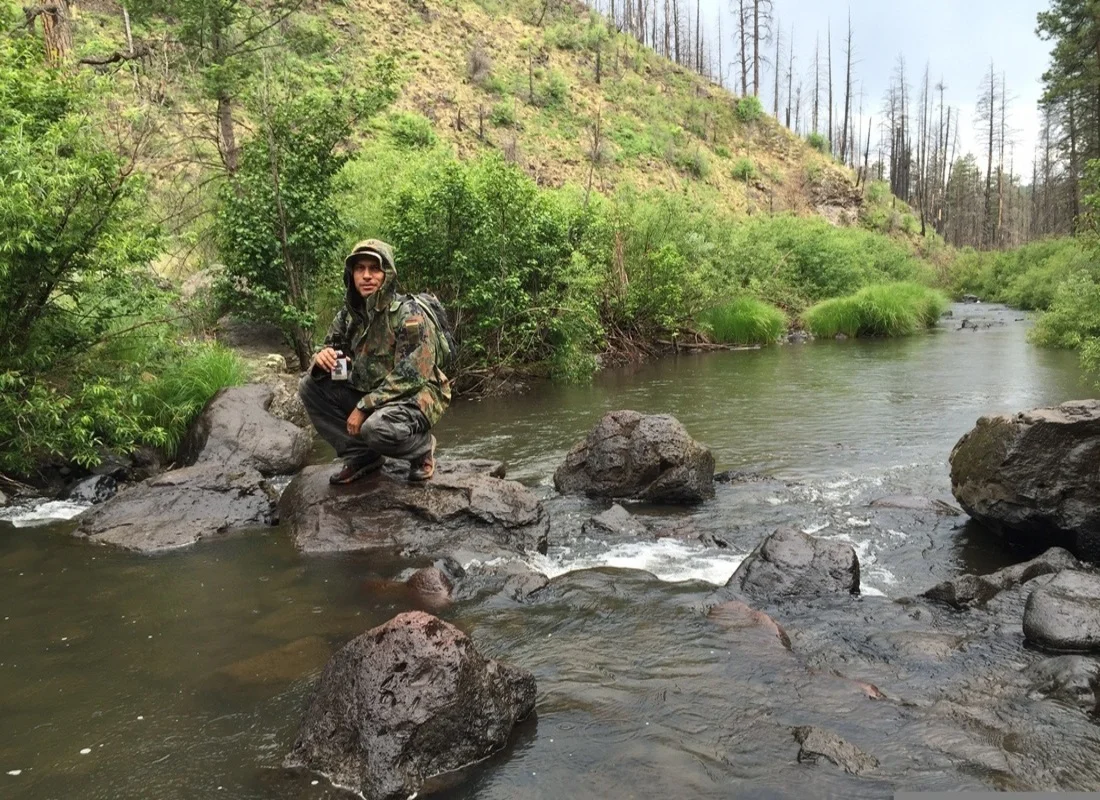
Table: Errors & Countermeasures
| Error | Consequence | Countermeasure |
| No plan | Getting lost, loss of energy | Read map, mark route |
| Bad water | Diseases | Filter, boil |
| Too late to fire | Hypothermia | Ignite early |
| Wrong clothes | Overheating, cooling | Use the onion principle |
| Waste of energy | Exhaustion | Take breaks, set priorities |
| Overconfidence | Injuries | Assess risks realistically |
| Ignore warning signals | Breakdown | Regular self-monitoring |
| Wrong storage location | Wetness, cold, danger | Choose a place carefully |
| Eating poisonous plants | Poisoning | Use only 100 %-safe plants |
| Panic | Wrong decisions | Breathe, act, plan |
Personal experience
Once, in Norway, I almost fell into one of these classics. I thought I could „quickly“ wade through a river instead of taking the detour to the bridge. The water was freezing cold, the current stronger than expected. I abandoned the attempt, just in time. Later, in my warm sleeping bag, I thought: if I had gone on, all it would have taken was one small mistake and I would have disappeared into the water.
This lesson has stuck with me. Since then, I've known that the short detour is often the real shortcut.
A parable at the end
Survival is like chess. It's not the strongest player who wins, but the one who makes the fewest mistakes. Every move counts. Every decision can decide the course of the game.
If you want to survive out there, you should remember this: It's not heroic deeds but smart, calm decisions that make the difference.
Conclusion
Mistakes are part of life - but some are simply too costly outside. A little preparation, a clear head and the willingness to slow yourself down are often more important than any high-tech tool.
If you know the major pitfalls and avoid them, you are already several steps closer to your goal: getting back safely.
In the end, it's not about being perfect. It's about remaining attentive, acting prudently - and learning from every experience.
 Deutsch
 English