

Imagine this: You wake up somewhere in the forest, without a backpack, without a cell phone, without the usual safety net that usually carries you. Just you, nature - and the question: How do I get through here?
This is exactly where survival begins. It is not about romantic adventures à la movies, but about the pure craft of survival. And this craft consists of techniques that have been tried and tested for thousands of years. Some of them are simple, almost banal - but it is precisely these that can make the difference between success and failure.
Why survival techniques are more than just a gimmick
Many people laugh at the idea of lighting a fire with a fire steel or purifying water with improvised filters. „What's the point? We live in the 21st century!“ - a phrase often heard. But anyone who has experienced how quickly comfort can evaporate in a crisis thinks differently. A power cut, an unexpected night out, a natural disaster - you're left without what you would otherwise take for granted.
Survival techniques are therefore not „hobby tricks“, but a toolbox that gives us self-confidence. They make us more independent, more robust - and give us back a bit of serenity.
The cornerstones of survival
Survival can be broken down into four elementary areas:
- Water
- Fire
- Shelter
- Food
Sometimes even Navigation and First Aid and quite rightly so. Those who have mastered these disciplines have laid the foundations.
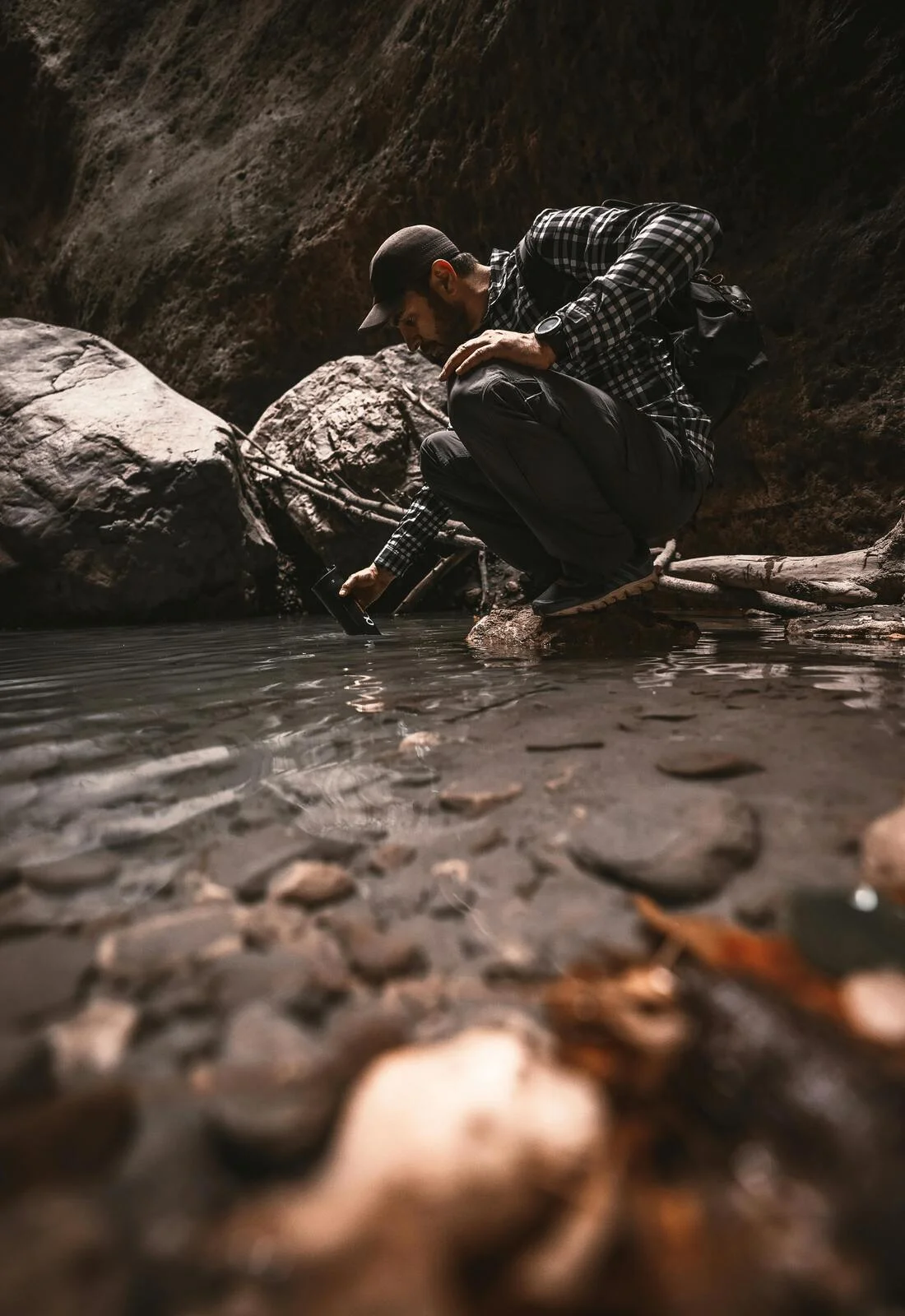
Water - the first priority
Nothing works without water. After three days without fluids, it becomes life-threatening.
Ways to find water and make it usable:
- Collect rainwater (e.g. with tarpaulins or improvised gutters).
- Take water from streams or puddles - but never drink it unfiltered.
- Building improvised filters: Sand, gravel and charcoal in layers.
- Boil to kill germs.
Practical example: I once filled a PET bottle with layers of cloth, sand, charcoal, and stones—and the brown swamp water became clear drinking water. The taste was earthy, but drinkable.

Fire - warmth, protection and morale
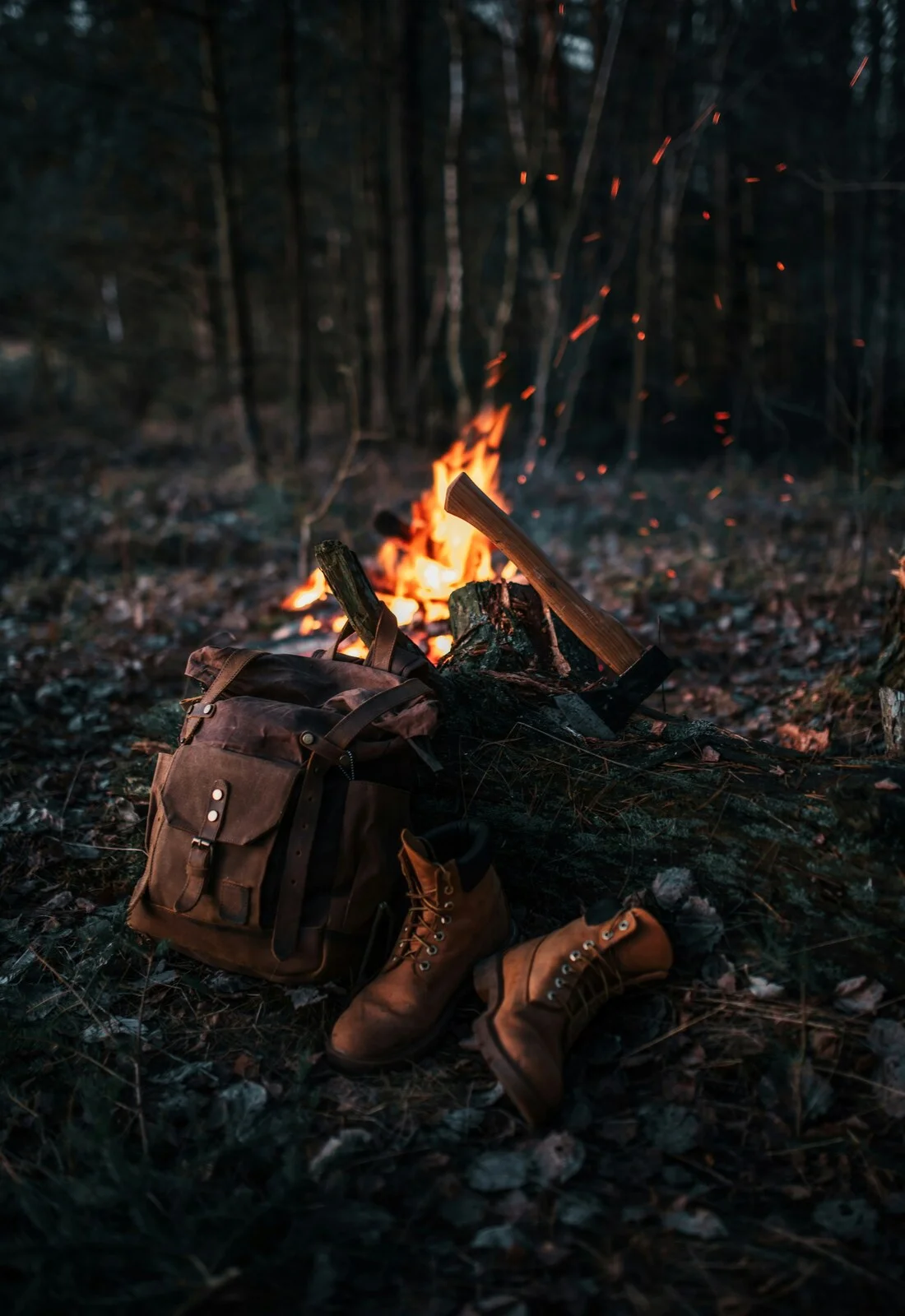
Fire is more than just heat. It is comfort, light and safety.
- Strike sparks with a fire steel; prepare tinder.
- Alternative Tinder materialsbirch bark, dry grasses, pine shavings.
- Know the types of fire: Star fire for cooking, pyramid fire for long warmth.
- Use smoke: as a signal or to drive away insects.
Metaphor A fire in the dark is like a heartbeat - it pulsates, gives rhythm, keeps the thread of life going.
Shelter - protection from the cold and wet
The body loses energy faster than you think. Simple weather protection can make all the difference.
Improvised shelters:
- Leaf hut: lean branches, cover with leaves and moss.
- Tarp shelter: Tighten the tarpaulin or poncho.
- Snow pit in winter: insulating, amazingly warm.
Tip: The ground is often the biggest enemy. Insulation through branches, grass or clothing is crucial.
Food - a source of energy, but secondary
Many people overestimate hunger. A person can last three weeks without food. Nevertheless, energy never hurts.
- Saber edible plants (nettles, dandelions, berries - but be careful!).
- Fishing and trapping.
- Insects as a source of protein (not everyone's cup of tea, but effective).
The following applies here: Safety first. Unknown plants or fungi can be deadly.
Navigation - find your way
Disorientation saps energy and nerves.
- Use sun and shade.
- Stars at night: Polaris in the north, Orion belt as auxiliary points.
- Read terrain: Rivers often lead to settlements.
- Improvised compass: Magnetized needle on water.
First aid - the silent foundation
No amount of technology will help if you are incapacitated by an injury.
- Stop bleeding (pressure bandage, improvised bandage).
- Stabilize fractures (splints made of branches).
- Recognize and treat hypothermia.
- Be aware of the risk of infection: keep even small wounds clean.
List: 10 survival techniques that everyone should know
- Light the fire with a firesteel.
- Boil water.
- Build a simple shelter.
- Orientation according to the sun and stars.
- Give a signal (smoke, mirror, whistle).
- Treat wounds.
- Tie knots (e.g., bowline, square knot).
- Find food and prepare it safely.
- Produce improvised tools.
- Keep calm - train your mental strength.
Table: Survival priorities
| Demand | Time without | Most important technology |
| Air | 3 minutes | Keeping the airways clear |
| Heat/protection | 3 hours | Build a shelter |
| Water | 3 days | Filter and boil |
| Food | 3 weeks | Collecting, trapping, fishing |
Mental strength - the invisible technique
As simple as it sounds: If you lose your head, you lose the game. Panic costs energy and leads to mistakes.
What helps:
- Set small goals („first fire, then water“).
- Create routines, even in chaos.
- Remember: people have survived in the most adverse conditions for thousands of years.
I remember an exercise in the forest: as soon as it was dark, I had this feeling of being at the mercy of others. Only when the fire was burning did calm return. The mind needs symbols of control - and that's exactly what fire, water and a roof over your head are.
Mistakes that beginners often make
- Start building shelter too late.
- Do not prepare tinder carefully.
- Drink unfiltered water.
- Wasting too much energy looking for food.
- Do not set priorities.
A conversation around the campfire
„What would you do first if you were suddenly alone in the forest?“ a friend once asked me.
„Fire,“ I replied without hesitation.
„Not water?“
„That comes right after. But without a fire, it'll be a cold, endless night.“
Such conversations show that survival is not just technology, but also philosophy. It's about making decisions - often under pressure.
Conclusion: The toolbox for life
Those who can purify water, those who can light fires, those who can protect themselves and find their bearings have laid the foundations. Everything else builds on this.
You may never find yourself in a real emergency. But just knowing that you are prepared makes a difference. It creates self-confidence - and that is perhaps the most important resource of all.
 Deutsch
 English