

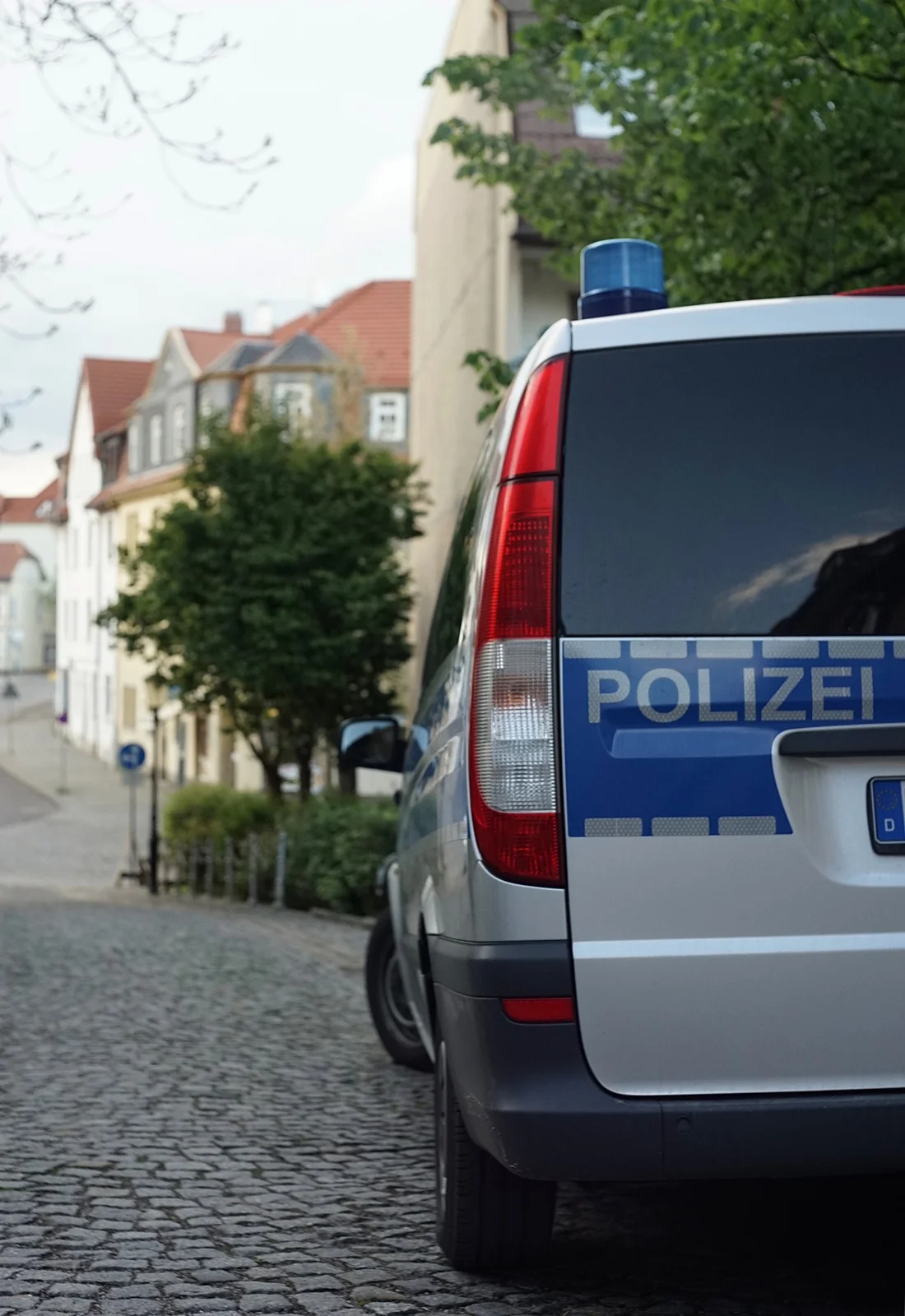
The street is empty. Lanterns cast their light onto deserted intersections, only the occasional headlight cone of a police car can be seen. Doors remain closed, people disappear behind curtains. A curfew lies over the city like a heavy blanket. Anyone who remembers this scene - whether from the times of the pandemic or from reports on crisis regions - knows that curfews are not a theoretical scenario. They are a reality when governments try to maintain order.
For us as citizens - and even more so for those who make provisions - very specific questions then arise: How do I behave in such situations? How do I deal with the authorities? And where does wise cooperation end and dangerous rebellion begin?
Why curfews are imposed
Before we get into the practicalities, it is worth taking a brief look at the logic behind this. Authorities do not usually impose curfews arbitrarily, but to reduce certain dangers.
Typical reasons:
- Disease outbreaks - to minimize contacts.
- Natural disasters - in the event of floods or storms, for example, to protect human life.
- Internal security - in the event of unrest, terrorist attacks or military threats.
- Infrastructure problems - when roads are impassable or dangerous.
Whether these measures are always considered reasonable is another question. The fact is that they have legal effect, and anyone who fails to comply with them risks penalties or even danger to life and limb.
The Role of the Authorities
In times of crisis, public authorities are not only regulators but also serve as points of contact for information, assistance, and resources. The police, fire department, health authorities, and disaster response agencies—they all operate under intense pressure when public life is restricted.
This is a balancing act for preppers. On the one hand, you want to be independent, have access to supplies and pursue your own plans. On the other hand, you can't manage completely without state structures.
The art lies in this, cooperate with authorities without becoming blindly dependent.
Practical Basic Rules for Dealing with Curfews
- Know the rules - Find out exactly what restrictions apply: times, exceptions, and possible permits.
- Have your documents ready - Have your ID card and, if necessary, passes or employer certificates to hand.
- Don't stand out unnecessarily - Anyone who listens to loud music in the dark, talks outside, or walks through the streets in secret draws attention.
- Clear communication - If you are stopped, explain calmly and objectively why you are on the road.
- Use official channels - Apps, radio stations, and announcements; this way, you stay informed instead of relying on rumors.
List: Behavior During Checks
- Stay calm, no aggressive body language.
- Keep the lights on when you're in the car—so your hands are visible.
- Disclose only the necessary information; no lengthy discussions.
- Be friendly but firm.
- Display documents immediately; don't spend time searching.
Rights and Obligations—The Legal Framework
Of course, the rules vary depending on the country and situation. But a few general principles can be identified:
- RequiredObserve curfews, except for authorized exceptions (work, medical emergencies, caregiving).
- Law: Demand to be treated with respect during checks—no one should put you at unnecessary risk.
- Required: Carry identification with you.
- LawInformation about the duration and reason for the measures.
It helps not only to be aware of your obligations, but also to know your rights. If you are informed, you can act with greater confidence.
Table: Different curfew scenarios
| Scenario | Typical restrictions | Preparation / Behavior |
| Pandemic | Only medical trips allowed; distance restrictions | Supplies, masks, medication, a calm demeanor |
| Natural disaster | Entry into certain areas is prohibited | Secure the house, evacuation plans, observe information |
| Riots | Total curfew at night, police presence | No unnecessary paths, avoid visual contact |
| Military threat | Movements strictly monitored, checkpoints | Documents, radio silence, only use safe routes |
Psychological side
One of the biggest challenges is not practical, but psychological: how do you deal with the feeling of being restricted?
People react very differently. Some experience helplessness, others anger, others resignation. It is particularly difficult for families with children when there is a lack of freedom of movement. Routines, rituals and clear daily structures can help here.
I remember conversations with friends during the coronavirus lockdowns. Some said, „It was the feeling that someone else was dictating my daily routine that weighed on me the most.“ This feeling can paralyze you—or it can lead you to consciously create your own little spaces: cooking, reading, playing games, exercising at home.

Practical tips for surviving curfews
- Develop routines - set times for meals, exercise, and media use.
- Maintain communication - Telephone calls, radios, neighbors via balconies or stairwells.
- Information hygiene - Don't check messages all the time, but schedule fixed times.
- Bundle necessary errands - If allowed, do everything at once.
- Keeping an eye on health - move around freely, even in confined spaces.
Dealing with authorities—long-term thinking
Even though many preppers like to act independently, it is clear that good relationships with the authorities can open doors in an emergency.
- If your documents are complete, you will receive a response or assistance more quickly.
- People who speak in a calm tone are taken more seriously.
- Those who already have contacts beforehand (e.g., voluntary work, civil protection) often have better sources of information.
It's not about pandering, but about fostering respect on both sides.
Two common mistakes
- Arrogance„"They won't catch me." Anyone who thinks this way risks penalties and endangers others.
- Blind adaptationAdopting every rule without thinking it through, without checking to see if you're still keeping your own safety in mind.
The balance between the two is crucial.
A picture at the end
A curfew is like a sudden emergency stop on the highway. Everything that was just moving comes to a standstill. Some react with panic, others with aggression. Those who are prepared know: I fasten my seatbelt, take a deep breath, wait—and drive on carefully when I’m ready to go again.
Conclusion
Supplies and equipment are important - but if you don't know how to deal with rules and controls, you can quickly get into trouble.
The art lies in being prepared and flexible: following the rules, communicating intelligently, and using your own resources. Those who master this will remain capable of taking action—even when the streets are empty and the doors are closed.
 Deutsch
 English