

The water comes quietly. First it seeps through cracks in the cellar, then it slowly climbs up the stairs. At some point you realize: It's no longer just rain, it's a wave that turns your home into an island. Flooding is not a distant problem, not a horror story from the news in other countries. It can affect anyone - whether it's a big river, a small stream or a densely built-up area with poor drainage.
The good news is that those who are prepared have a decisive advantage. Not because they can hold back the tide, but because they know what to do when the wave comes.
Why flooding is so dangerous
Water is life - but in excess it becomes a destructive force. Unlike a fire, you can often see the threat early on. Rainfall, rising water levels, warnings on the radio. And yet many are surprised because they underestimate the risk.
The danger lies not only in the water itself, but also in the consequences: Power outages, contaminated drinking water, disrupted roads, unstable buildings. Added to this is the psychological strain of no longer being able to enter your home safely.
First questions you should ask yourself
A plan always starts with questions:
- Is my house or apartment located in a known flood zone?
- Where can I get reliable information about water levels and weather warnings?
- What do I need to secure before the water comes?
- Where do I go when I have to leave home?
These questions seem trivial - but their answers can make or break your actions in an emergency.
Preparation in times of rest
Nobody likes filling sandbags in the rain. That's why good flood prevention doesn't start when the water is already rising, but well before.
List: Measures for the preparation phase
- Secure sources of information - Apps, local warning systems, radio with battery operation.
- Check cellar - Install backflow flaps, store valuable items higher up.
- Have equipment ready - Rubber boots, waterproof clothing, buckets, sandbags.
- Pack your bug-out bag - with water, food, medicines, documents.
- Develop a family plan - Arrange meeting points and contact options.
- Check insurance - Natural hazards are not automatically covered.

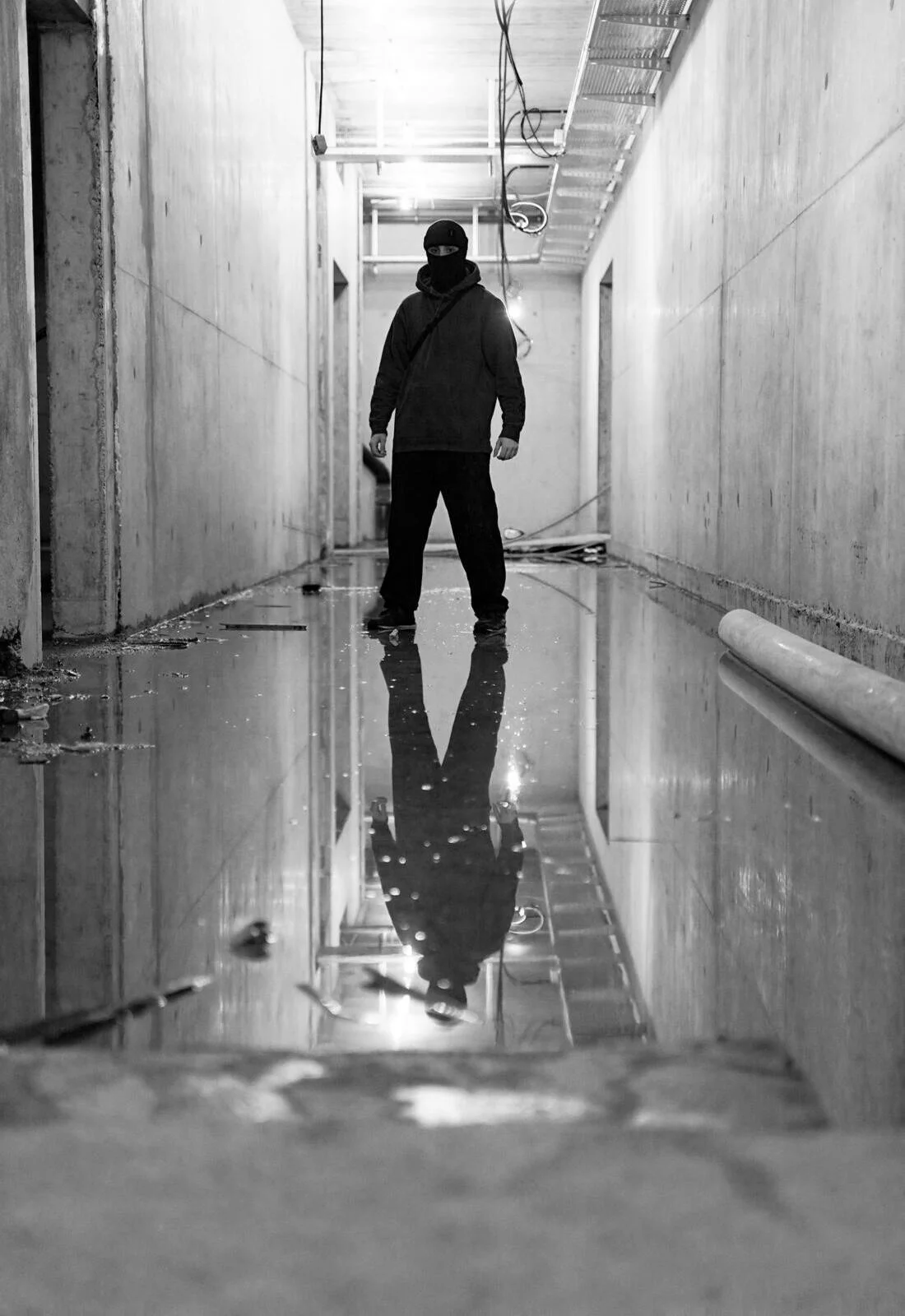
When the water rises - acting under pressure
When the warning comes, there is often little time. Panic doesn't help, but clear procedures do.
Important immediate measures
- Turn off the electricity and gas. Short circuits and explosions are real dangers.
- Move important things to upper floors. Documents, medication, valuables.
- Drive the car away in good time. Underground garages are death traps.
- Inform neighbors. Not everyone notices the warning immediately.
- Place sandbags or barriers. Even a small wall can gain crucial centimeters.
Table: Floods - hazards and reactions
| Danger | Typical risk | Countermeasure |
| Electricity in water | Electric shock | Turn off the power, keep your distance |
| Contaminated drinking water | Diseases, infections | Boil or filter water |
| Unstable buildings | Danger of collapse | Avoid affected areas |
| Current in the water | Remove, injuries | Never go into running water |
| Cut off paths | Isolation, no supply | Stock up on supplies, you know alternative routes |
After the flood - the silent danger
When the water recedes, many people breathe a sigh of relief. But now the second phase begins: cleaning up, securing, restoring.
The greatest risks during this period are Invisible dangers:
- contaminated areas,
- Mold,
- Damaged statics
Some damage only becomes apparent days later. Therefore, be careful not to rush into cellars or rooms.
Do not underestimate emotions
Flooding is not just a logistical problem. It hits people right in the middle of their lives. Photos, furniture, memorabilia - much is lost. The helplessness in the face of a force of nature is hard to bear.
A plan not only helps practically, but also mentally. If you know what to do, the situation is less chaotic. And even if material things are lost, the experience of having been prepared remains.
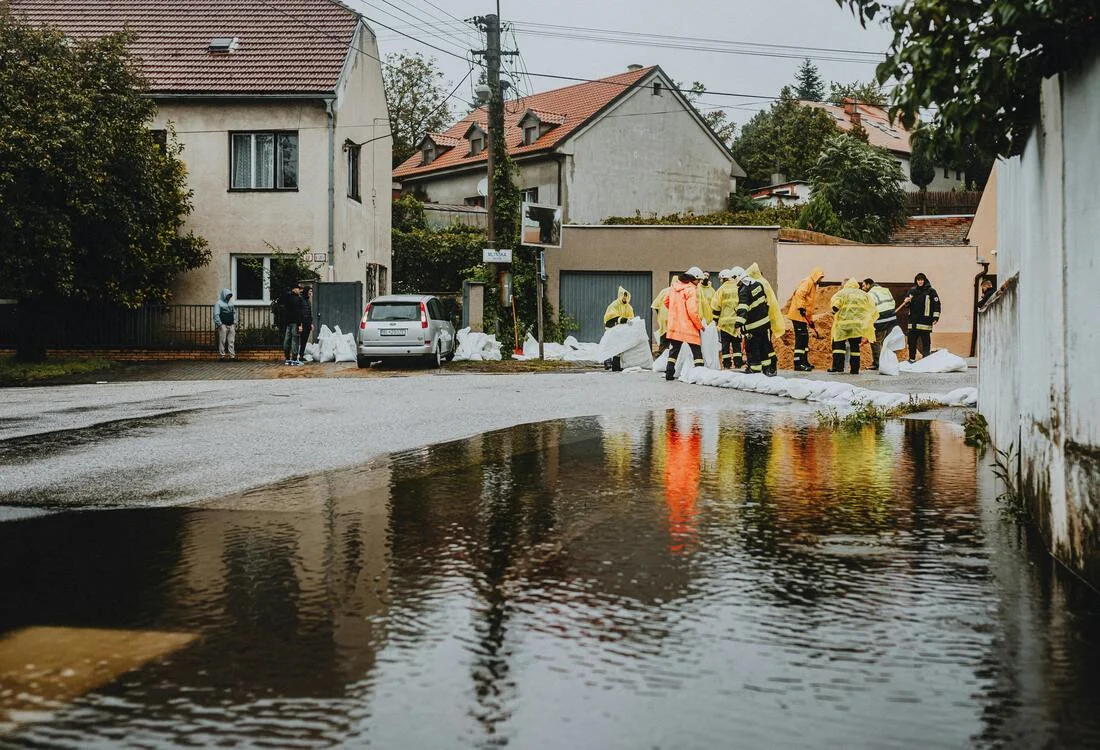
List: Mistakes that those affected often make
- Ignore warnings („It won't be so bad“).
- Evacuate too late and get trapped in the water.
- Store valuables and documents in the cellar.
- Do not switch off power lines.
- Underestimate how long supply and infrastructure can fail.
Realistic example
In the summer of 2021, the Ahr Valley was hit by floods that destroyed entire villages. Many people were prepared - others were not. A neighbor later told us: „We had heard the warning on the radio, but thought it was the same as always. When the water shot through the first floor, there was no time left.“
This example shows how deceptive habit can be. A river that peacefully overflows its banks ten times can sweep everything away the eleventh time.
A metaphor to conclude
A flood is like an uninvited guest who doesn't ring the doorbell, but simply pushes it open. You don't know when it's coming - but you can tidy up the hallway, know an emergency exit and prepare yourself.
Conclusion
Flood prevention does not mean constantly living in fear. It means taking nature seriously and treating it with respect. An escape plan, supplies, secure rooms - all this takes time and effort. But in an emergency, it is priceless.
You may never need your plan. But if you do, it will give you peace of mind in a situation where others despair. And that alone is reason enough to make it today.
 Deutsch
 English