

It's a thought many would prefer to suppress: What if you had to leave your own apartment, your familiar surroundings, your entire city overnight? Not a planned vacation, not a move with a moving van, but an escape. Not in the movies, but in real life.
Sounds dramatic? It is – and at the same time, a sober everyday reality in crisis regions around the world. So, the question isn't just: Can that happen?, but also: What would that look like for us in concrete terms?
Why fleeing the city is an issue
Cities are lifelines. They provide work, markets, hospitals and culture. But the very things that make them attractive can become a problem in times of crisis. Many people in a confined space, dependence on supply chains, hardly any self-sufficiency - all this makes cities particularly vulnerable.
You don't have to think of apocalyptic scenarios right away. Even events such as a widespread power outage, a natural disaster or political unrest can turn a city into a place you'd rather leave within hours.
Typical scenarios that make an escape necessary
So that the whole thing doesn't remain abstract, let's take a look at some situations in which an escape becomes realistic.
1. power failure over several days
At first, people scramble out candles and laugh at the unfamiliar darkness. But after two days, no cash registers work, no petrol stations, no drinking water from the pipes. Starting on the third day, nervousness grows, rumors spread, and conflicts escalate. Those who can, look for a quieter place.
2. natural disasters
Floods, storms, fires—cities are particularly at risk because of their infrastructure. Roads can be blocked, supplies cut off, and emergency services overwhelmed. Those who respond early have an advantage.
3. political unrest or mass panic
You don't have to think of a civil war. Even demonstrations or riots in urban areas can be dangerous—especially if the police and security forces are no longer in control of the situation.
4. pandemics or epidemics
That sounds familiar to us. The lesson we've learned in recent years is that diseases spread fastest in densely populated areas. Those who live in isolation have more leeway.
Table: Risks in cities in the event of a crisis
| Scenario | Main problem | Consequences for residents |
|---|---|---|
| Power failure | Supply interruptions | Panic buying, conflicts |
| Flooding | Infrastructure destroyed | Uninhabitable apartments |
| Riots | Security risk | Violence, looting |
| Pandemic | High infection rate | Quarantine, isolation |

The most difficult moment: the decision to flee
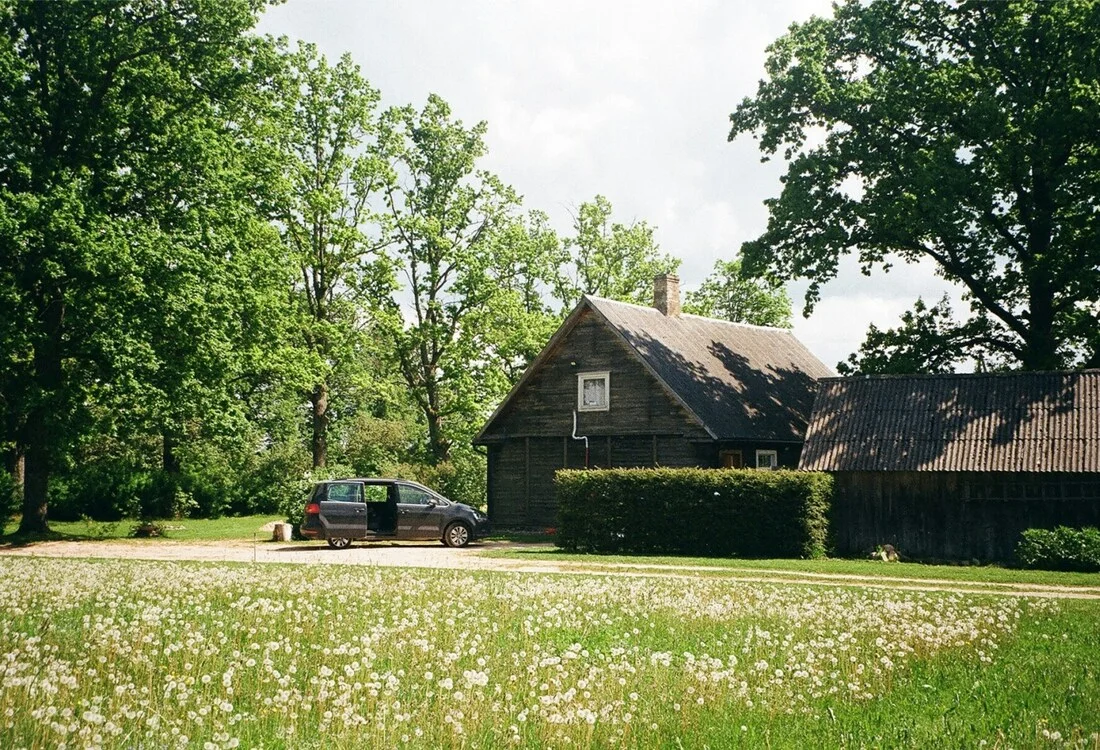
Many people underestimate how difficult it is, in time to decide. If you wait too long, you'll get stuck: the roads will be jammed, gas stations will be empty, and trains won't be running. If you leave too early, you'll seem overly cautious and risk it all being for nothing.
The rule of thumb: It's better to leave a day early than an hour late.
What do you need for a realistic escape?
Escaping is no walk in the park; it's a logistical and psychological challenge.
1. a clear plan
- Which routes lead out of the city?
- Are there any alternatives if the roads are blocked?
- Where are the bridges, rivers, and railroad lines?
2. one goal
There's no point in simply wanting to "get away." It's better to have specific destinations in mind, such as a relative's house, a vacation home, or a remote wooded area.
3. the right equipment
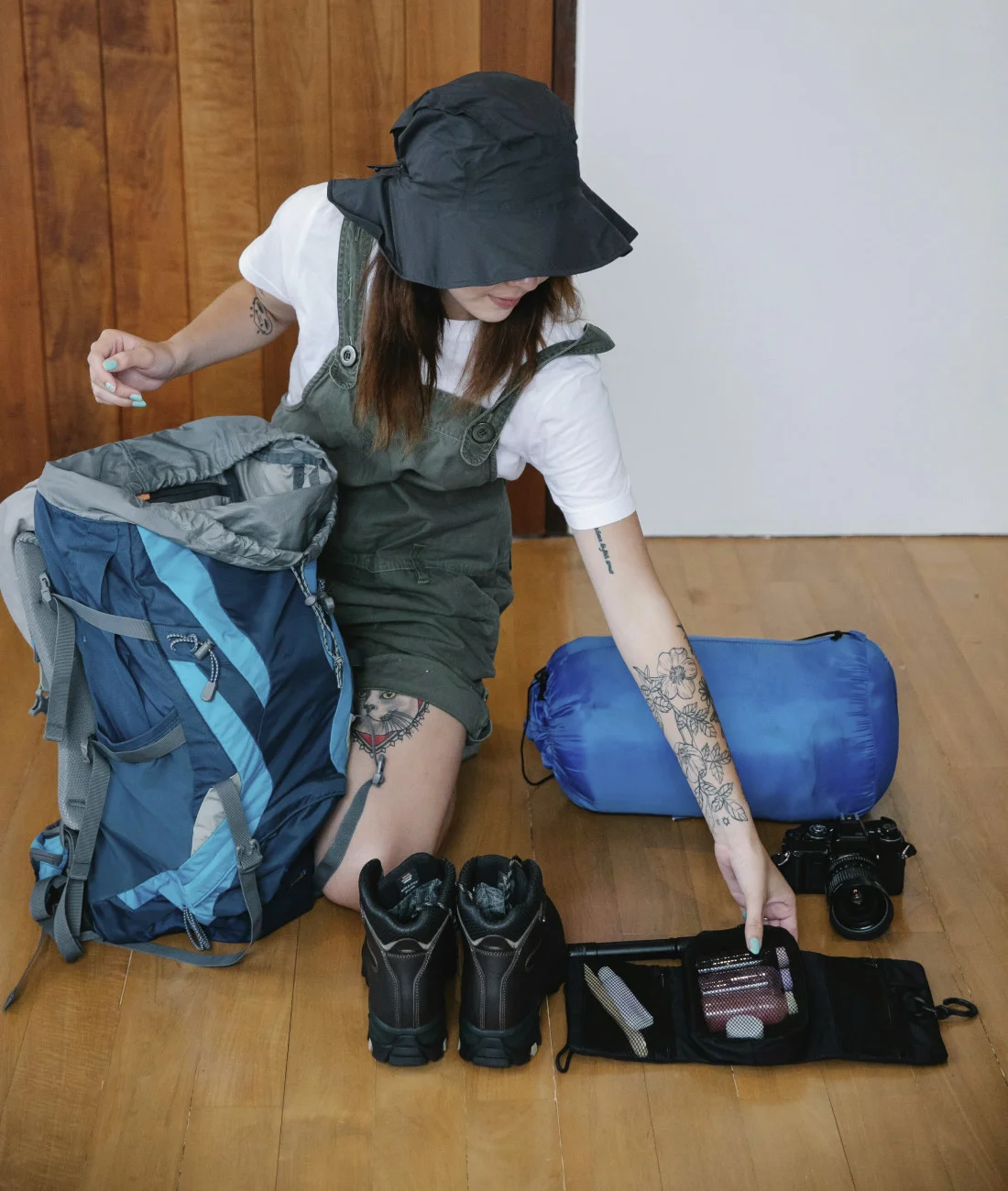
An emergency backpack containing water, food, clothing, and a first aid kit and tools is not a gimmick, but life insurance.
List: Must-haves in your escape backpack
- Drinking water or filter
- Energy-dense food (bars, dried meat, nuts)
- Layered clothing
- First aid kit incl. personal medication
- Multitool or knife
- Fire source (matches, fire steel)
- Emergency shelter tent, tarpaulin
- Copies of important documents
- Cash in small bills
- Maps and Compass
Realistic locomotion - how do you get out?
Many people rely on the car. Sure, fast, flexible, space for luggage. But in an urban sprawl, roads are often the first to break down. Traffic jams, blocked junctions, abandoned vehicles.
Alternatives:
- Bicycleindependent, can use paths that are off-limits to cars.
- On footSlow, but reliable, when everything else is blocked.
- PUBLIC TRANSPORT: hardly reliable in an emergency; more of an illusion.
Best of all: a combination. Bicycle and trailer offer range and carrying capacity, but are not as conspicuous as a car full of boxes.
The psychological component
Escape is pure stress. People in a panic are unpredictable. Staying calm gives you an advantage. This means: plan ahead, not just when a crisis hits.
Questions you should ask yourself:
- How do I react when others want my supplies?
- Can I travel alone, or do I need to be part of a group?
- How can I stay safe when I'm out and about at night?
Example: Escape from New Orleans after Hurricane Katrina
In 2005, the world saw what happens when a city is unprepared. Roads were blocked, people were stranded in stadiums for days, and looting increased. Those who knew where they were going beforehand had the best chance.
List: Mistakes Many People Make When Fleeing the City
- Started too late - wait until panic breaks out.
- Too much luggage - overloaded, immobile.
- No cards - rely on cell phone navigation, which can fail.
- No target - Being on the road without a plan, wasting energy.
- Visible as a prepper„ - Eye-catching equipment can spark desire.
Preparation in Everyday Life
It sounds trite, but the flight begins long before the crisis.
- Test your route - not only by car, but also on foot or by bike.
- Test your equipment - A rucksack is light in the store, but not on your back after two hours.
- Practice on a small scale - A night in a tent in the forest says more about your stamina than any list.
The city as a burning ship
Imagine the city as a huge ship. In everyday life, it glides majestically, safely, stably. But if it catches fire, it is suddenly no longer a place of safety, but a trap. Then all that matters is whether you have a lifeboat - and whether you know how to launch it.
Realistic duration of an escape
Many people imagine that they will only be on the road for one or two days. But that depends on the destination.
- If you head for a nearby village or family home, you'll be out in no time.
- If you want to go to a remote area, you have to reckon with days or weeks.
Important: Food for at least 72 hours, to bridge bottlenecks.
Table: Comparison of locomotion
| Means of transportation | Speed | Range | Risk |
|---|---|---|---|
| Car | High (for clear roads) | Very high | Traffic jam, lack of fuel |
| Bicycle | Medium | Medium to high | Low visibility, weather-dependent |
| On foot | Low | Short to medium | Unobtrusive, but slow |
Conclusion
Escaping from the city is not a pipe dream for adventurers, but a realistic scenario that should not be ignored. It requires planning, flexibility and strong nerves.
The crucial question is not only: Where am I going?, but also: When do I leave? And the answer is: be as prepared as possible. Because if you leave your city in good time and with a clear strategy, you not only stay in control - you also retain a degree of security in an uncertain world.
 Deutsch
 English