

It's an uncomfortable idea: suddenly you find yourself in a situation where you need to protect yourself or your family - and you have nothing „official“ to hand. No flashlight with a striking head, no knife, no can of pepper spray. Just the things that surround you in your everyday life anyway.
And then the question arises: Could I turn these objects into an improvised weapon? And above all - should I?
First of all: Why talk about something like this at all?
We live in a country where security seems to be a matter of course. Police, emergency numbers, a certain basic level of legal protection - all this gives us a sense of stability. But crisis situations quickly tear up this safety net. Natural disasters, widespread power cuts, social unrest - these are all scenarios that don't just appear in films.
In such moments, self-protection can suddenly become crucial. What is important here is not martial posturing or a desire for violence, but sober, pragmatic thinking: how do I keep threats at a distance until help arrives - or until the situation calms down?
The legal side - a difficult balancing act
Before we dive into the practical side of things, let's be clear: many objects that can be used as improvised weapons are completely harmless in everyday life. But as soon as you use them specifically to injure someone, you are entering tricky legal territory.
The right of self-defense (§ 32 StGB in Germany) allows the use of force only, if it is necessary to ward off a current unlawful attack - and it must be proportionate. In other words, you are allowed to protect yourself, but not cause more damage than is absolutely necessary.
Mnemonic: Improvised weapons are not a gimmick, but a last resort.
The psychology of improvisation
When things get serious, it's often not strength but creativity that counts. Learning to see everyday objects with different eyes gives you a clear advantage. A ballpoint pen is suddenly no longer a writing instrument, but a pressure amplifier for targeted blows. A belt becomes a whip with a metal buckle. An umbrella is transformed into a bumper at arm's length.
It's like a change of perspective: you start to see your environment as an arsenal - not because you want to use it, but because you need to be prepared in an emergency.

List 1: Classic improvised weapons in everyday life
- Ballpoint pen / metal pen - Small, stable, selective use.
- Belt with metal buckle - as an impact tool or spacer.
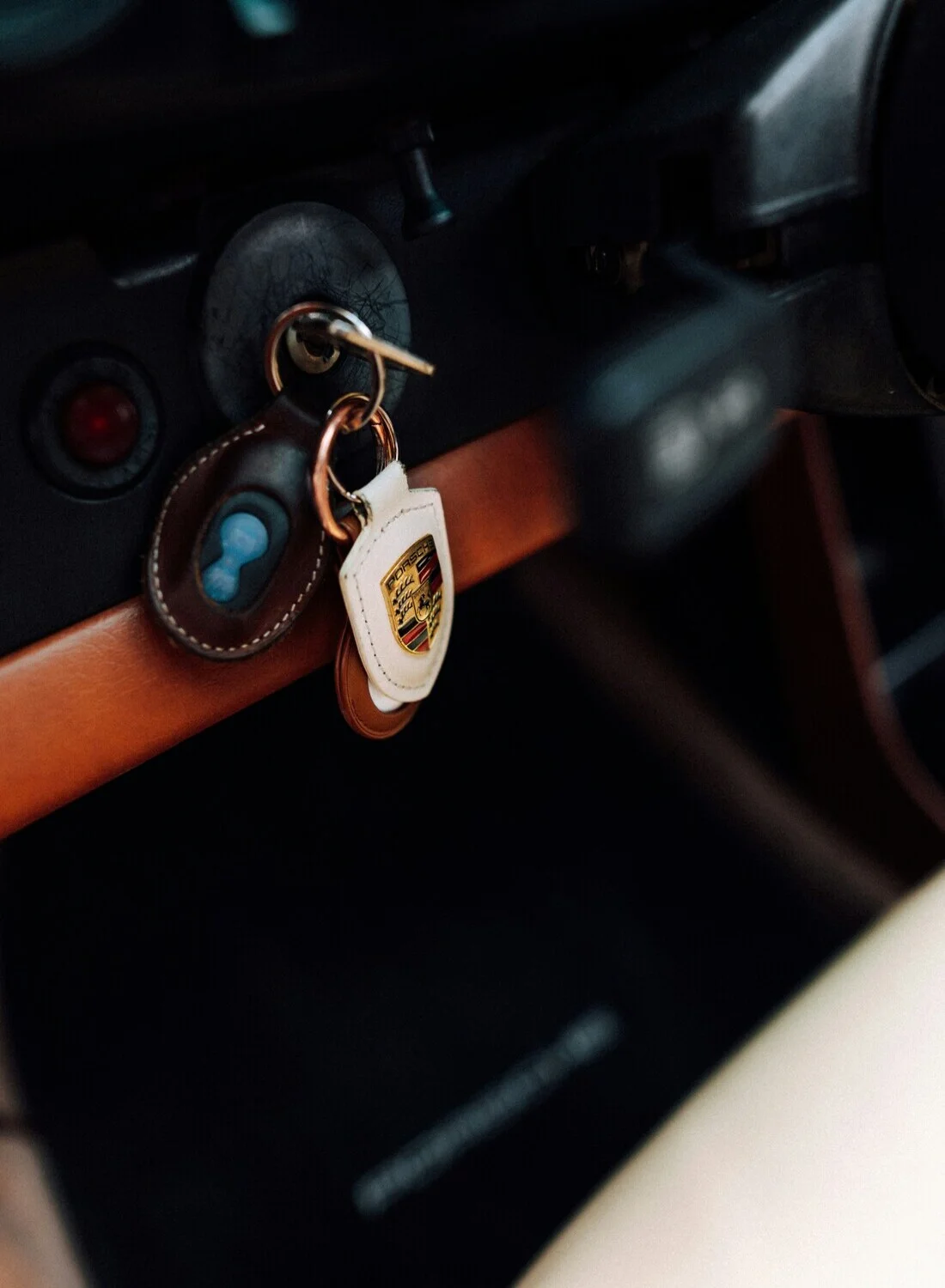
- Key ring - in the fist, between the fingers or as a pendulum bob.
- Umbrella - particularly stable models are ideal for bumping.
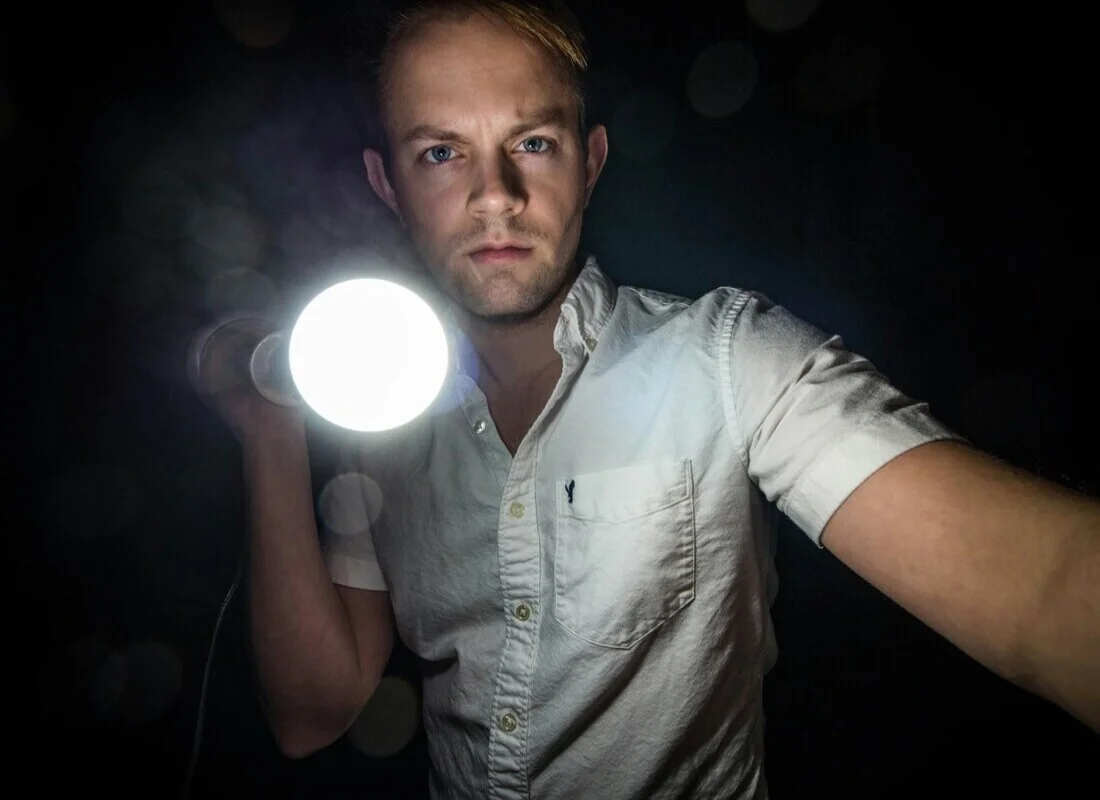
- Flashlight - A robust LED lamp quickly becomes a baton.
- Kitchen utensils - Pans, rolling pin, meat tenderizer.
- Glass bottles - either as a percussion instrument or broken (high risk for yourself).
- Towels / pieces of fabric - for gripping, tying up, distracting.
Improvisation in the apartment vs. outside
The options vary greatly depending on the environment.
At home you have an abundance of stable objects: Tools, kitchen utensils, pieces of furniture. Anything with weight or leverage can be useful in an emergency.
On the road it looks different. You have to rely on small, portable items that you have with you anyway: keys, pen, umbrella, flashlight. That's why it's so important to see these things not just as utensils, but also as potential helpers.
Table: Everyday objects and their improvised use
| Object | Improvised use | Advantages | Disadvantages |
| Ballpoint pen | Stitch/pressure intensifier | Inconspicuous, always with you | Only effective at close range |
| Belt | Percussion/binding tool | Range, flexibility | Needs space, practice |
| Umbrella | Bumper/defense bar | Spacer, robust | Only suitable for stable models |
| Flashlight | baton, flashing light | Versatile, useful in everyday life | Conspicuous in the application |
| Kitchen knife | Stitching/cutting tool | Effective, sharp | High risk of escalation |
| Pan / pot | impact weapon, shield set | Massive, powerful | Cumbersome |
| Glass bottle | Impact / breaking blade | Quickly available | Risk of injury for you |
List 2: Basic principles for use
- Create distance. Anything that keeps the opponent at a distance is more valuable than a tool for close combat.
- Know target areas. Soft spots (solar plexus, nose, knees) are more effective than powerful blows to hard bones.
- Improvising does not mean „playing“. Train your perception, but only use it in extreme emergencies.
- Body language counts. It is often enough to act decisively - the weapon then serves more as a deterrent than as a weapon.
- Maintain proportionality. Your goal is not to seriously injure someone, but to free yourself from danger.
A look at history
Improvised weapons are not a modern phenomenon. Even peasant uprisings in the Middle Ages relied on tools: scythes, flails, hoes. During the Second World War, resistance groups used everyday objects to defend themselves against occupying forces. And such techniques are also widespread in modern urban survival training - not as a method of attack, but as a contingency plan.
It shows: Improvisation has always been part of human history.
Realistic example
Imagine you're walking down a dark street late at night. Two figures approach you, looking menacing. You instinctively reach for your bunch of keys. Not to strike out, but to feel safer. You wrap the bunch in your fist and let a key protrude. At this moment, your posture changes: your shoulders slump back, your gaze becomes firm, your step more confident.
Perhaps this charisma alone will be enough for them to move on. Sometimes the improvised weapon is less a tool than a mental support.
The boundary between defense and escalation
The most dangerous thing about improvised weapons is not the tool itself, but the person using it. Anyone who strikes without thinking risks not only legal consequences, but also an escalation of the situation.
Therefore: If you include improvised weapons in your crisis preparedness, do it with a clear head. Train mental strength, escape strategies and de-escalation at least as much as practical use.
Tools like water
You could say that improvised weapons are like water. They take on the form of what surrounds them. A hammer is a tool in everyday life, but a weapon in an emergency. An umbrella normally protects you from the rain - or from a blow. It all depends on the container, i.e. the context, in which they are placed.
Conclusion: prevention means taking a fresh look at the environment
Improvised weapons are not a subject for heroic fantasies. They are a sober, realistic part of crisis preparedness. Whether in your home, in your car or on the street: your surroundings offer you more options in an emergency than you might think at first glance.
But don't forget: the most important weapon is not in your hand, but in your head. Clear decisions, quick reactions and knowing when flight is better than fight - that's what really protects you in an emergency.
 Deutsch
 English