

Sometimes a rucksack is not enough. If a storm makes the roads impassable, if supplies break down or if you need to reach a safe place with your family and equipment, a vehicle suddenly becomes life insurance. But what actually makes a vehicle suitable for preppers? Is the old station wagon enough, or does it have to be an off-road vehicle with a cable winch and roof tent?
The truth lies somewhere in between. The perfect prepper vehicle is not necessarily the one that shines in movies with beefy bumpers and camouflage paint. Rather, it is the one that reliably gets you from A to B in an emergency - whether on asphalt, gravel or muddy forest paths.
Why a vehicle is so important
A good vehicle is not just a means of transportation. It is also an escape route, shelter and storage area. Anyone who imagines having to travel by train or on foot in the event of an evacuation will quickly recognize the advantages:
- Speed: Distances that take days on foot can be covered in hours by car.
- Capacity: Supplies, water, tools - everything can be stowed away.
- Flexibility: You can adapt your course and destination instead of being dependent on external structures.
But not every car is suitable. A lowered city runabout may be sufficient for everyday use - but in high water or on unpaved roads, it becomes ballast.
Criteria for a good prepper vehicle
1. reliability
The best car is useless if it breaks down at the first opportunity. Less electronics and more robust mechanics is often the better choice. Spare parts should be available and the technology should be repairable in a simple workshop if necessary.
2. off-road capability
You don't have to own a military truck. But a higher suspension, four-wheel drive and proper tires can make the difference between getting stuck in the mud and getting through.
3. range
How far can you get on one tank of gas? An extra reserve canister is always a good idea. Gasoline is scarce in times of crisis, and filling stations may be empty or not in operation.
4. storage space
Whether it's an estate car, van or pickup - space is worth its weight in gold. You'll be amazed how quickly a trunk fills up when you have sleeping bags, water canisters and tools in addition to food.
5. inconspicuousness
As tempting as the martial off-road vehicle looks: It attracts attention. In some scenarios, an inconspicuous, solid vehicle is the better choice. More of a gray mouse than a rolling tank.

List: Must-have equipment for a prepper vehicle
- Tool set: Wrenches, pliers, screwdrivers
- Spare parts: Fuses, light bulbs, V-belts
- Spare wheel + repair kit
- Tow rope or recovery strap
- Spare canister with fuel
- Water canister or drinking water supply
- Fire extinguisher
- First aid kit (extended)
- Multitool
- Flashlight and headlamp
- Emergency food
- Maps in paper form
- Blanket or sleeping bag
Table: Comparison of different vehicle types
| Vehicle type | Advantages | Disadvantages | Suitable for |
|---|---|---|---|
| Combi | Lots of storage space, unobtrusive | Limited off-road mobility | City & Country |
| SUV | raised, more ground clearance | more expensive, often thirsty | mixed terrain |
| Pickup | Large loading area, robust | open, luggage needs protection | Transportation, terrain |
| Van / Bus | huge storage space, sleeping area possible | less suitable for off-road use | Family, long tours |
| Off-road vehicle (classic) | Extremely robust, all-wheel drive | heavy, high consumption | Difficult terrain |
Realistic scenarios
Imagine a flood forces you to leave your home. The van with its large storage space suddenly becomes a mobile refuge. Or: a winter storm blocks the highway and you are stranded. Then you'll be glad to have blankets, a thermos flask and emergency rations in the trunk.
It's not just about apocalyptic disasters. Preparation can also help in everyday life - if your car breaks down at night, if you get stuck in a traffic jam in a snowstorm or if you are suddenly cut off while traveling.
Tips for practice
- Always keep the vehicle at least half full.
As banal as it sounds, an empty tank at the wrong moment can have fatal consequences. - Store equipment systematically.
Chaos in the trunk doesn't help anyone. Better: boxes or bags with a clear structure. - Think seasonally.
Snow chains in winter, perhaps an extra water canister in summer. - Care and maintenance.
Oil change, tire pressure, brakes - if you skimp here, you risk more than just trouble in an emergency. - Take test drives.
Pack your car full once and drive a longer distance. This will show you what is missing, what is superfluous and how the vehicle behaves under load.
Typical errors
- Overloading:
More is not always better. An overloaded vehicle is slower, consumes more fuel and attracts attention. - Show instead of function:
The martial off-road vehicle with snorkel looks cool, but do you really need it? - No maintenance:
The perfect car is useless if the battery is dead. - Leave everything in the car:
Equipment can be stolen. You should be able to pack important items flexibly.
A picture in your head
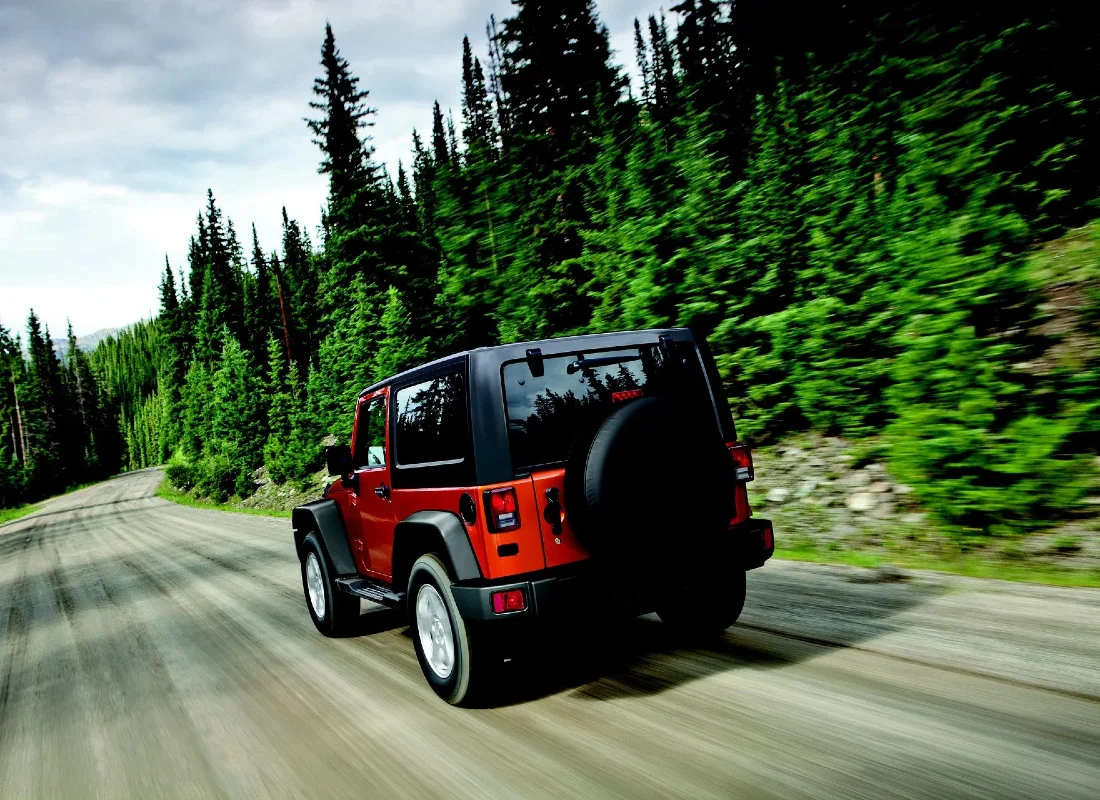
A prepper vehicle is like a castle on wheels. It protects, transports and gives you mobility. But like any castle, it is only as strong as its walls - or in this case, its maintenance, equipment and planning.
Personal note
I remember driving at night in winter when the highway was closed due to snow drifts. We were stuck in the car for hours, surrounded by flashing warning lights. At the time, I was glad to have a blanket, some muesli bars and a thermos flask with me. It wasn't a disaster - but it felt like a bit of a test run.
Conclusion: The perfect prepper vehicle doesn't exist - but the right one for you does
In the end, it all depends on your situation. Do you live in the city, in the country, near the forest? Do you have a family that needs to go with you, or just yourself? Do you want to remain inconspicuous or do you want maximum off-road capability?
The ideal prepper vehicle is not a fixed category. It is the car that reliably gets you on your way in an emergency, offers space for your most important things and is so robust that you can rely on it.
It doesn't have to be a rolling tank. But it should be a loyal companion that won't let you down - whether on a dusty country road or a flooded byway.

Because in the end, it's not how much horsepower is under the hood that counts, but that you can simply drive off at the decisive moment.
 Deutsch
 English